
Garage Door Weather Stripping Replacement in Massachusetts
Daylight under the door, a draft in the garage, or water pooling along the seal line — worn weather stripping. Bay State replaces bottom, side and top seals across Massachusetts, from Lowell (01851) to Fall River, New Bedford, Lynn and Brockton. Call (833) 563-1552, open 24/7.
Signs the seal has failed
How do I know my garage door weather stripping needs replacing?
Look for daylight under the door when it is closed, a draft near the seal, rain or snowmelt pooling along the bottom of the door, and a seal that is cracked, torn, flattened, or pulling away from its retainer. A door that sticks or freezes shut is often a seal problem too. If the bottom seal looks fine, check the side and top seals — they fail just as often.
What is the difference between a bottom seal and side seals?
The bottom seal is the strip along the bottom of the door that meets the floor — it keeps out water, drafts, leaves, and mice. Side seals run down the frame on both sides, and the top seal runs across the header. They close the gaps the door leaves as it moves. A door can have a sound bottom seal and still draft through a torn side seal, so a visit checks all three, plus the threshold.
What a visit covers
How often does garage door weather stripping wear out?
There is no fixed lifespan — sun, salt, road grit, and use all wear a seal down, and a south-facing or coastal seal wears faster than a sheltered one. Other Massachusetts sources put exterior seals at roughly three to five years, but the check is visual: look at the seal each autumn. If it is cracked, torn, or flattened, replace it before the first freeze — a worn seal is what lets a door freeze shut.
Can worn weather stripping freeze my garage door shut?
Meltwater collects where a cracked seal meets the floor and freezes it to the concrete overnight. The opener strains against the ice, and pressing the button again and again can strip the opener's drive gear or pull a cable off its drum. Warm the seal gently and never force the opener. If the ice is gone and the door still will not move, it is a broken part — leave it closed and call us.
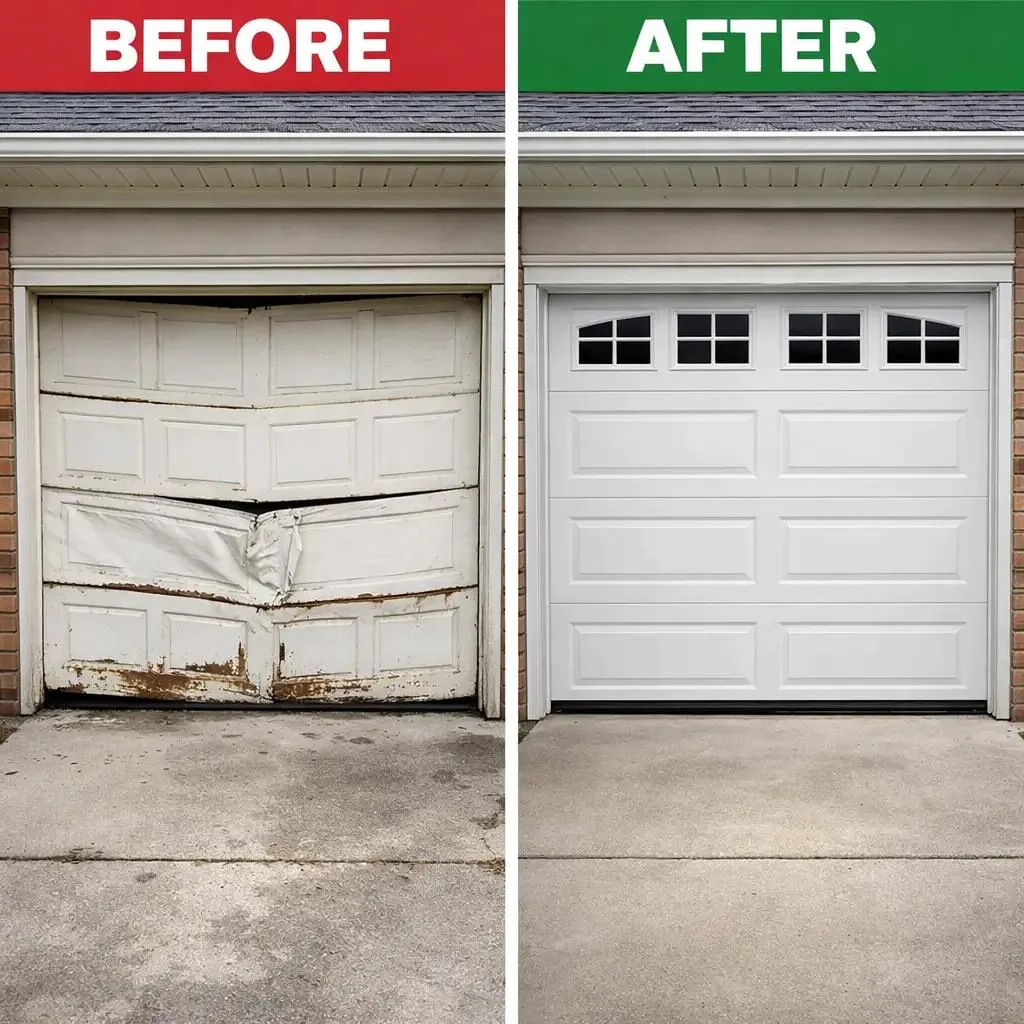
Weather stripping is the rubber seal around your garage door — bottom, sides, and top. When it wears out, the garage stops being sealed: drafts come in, rain and snowmelt pool along the floor, and the door can freeze shut on the first cold morning.
Bay State Garage Door Repair Pros is a Massachusetts garage door repair business based in Lowell at 98-2 Ames Pl. Our lead technician is Jude Bray, with 26 years of experience in garage door work. We hold Home Improvement Contractor (HIC) Registration, IDEA Residential Garage Door Systems Technician certification, and NISCR Garage Door Repair & Installation Certification.
How do I know if my garage door weather stripping has failed?
A worn seal rarely announces itself with a bang: the garage feels colder, leaves blow in under the door, the floor is wet after rain, or the door sticks on a cold morning. Look for daylight under the closed door, a draft near the seal, and a seal that is cracked, torn, flattened or pulling away.
A worn seal rarely announces itself with a bang: the garage feels colder, leaves blow in under the door, the floor is wet after rain, or the door sticks on a cold morning. Any one is worth checking — and all of them get worse once the first freeze arrives.
| What you notice | What it usually means | What to do |
|---|---|---|
| Daylight under the closed door | Bottom seal flattened, torn, or missing | Replace the bottom seal before winter |
| Door frozen shut on cold mornings | Meltwater freezing the seal to the floor | Free the ice gently; replace the seal |
If you are not sure which seal has failed, call and describe what you see — a seal check is part of every visit. The seal is looked at along its full length, the door is closed and checked for daylight, and the retainer is checked for rust. Start from our Bay State Garage Door Repair Pros homepage for every city we serve.
Which weather seals does a garage door have: bottom, side, top, and threshold?
Most people mean the bottom seal when they say weather stripping, but a garage door has four sealing points. The bottom seal is the rubber strip along the bottom edge that presses against the floor when the door closes. It keeps out water, drafts, leaves and mice, and takes the most wear.
Water under the door usually starts at a failed seal — see our water under the garage door guide.
Most people mean the bottom seal when they say "weather stripping", but a garage door has four sealing points. The bottom seal is the rubber strip along the bottom edge that presses against the floor when the door closes. It keeps out water, drafts, leaves, and mice, and takes the most wear — dragged across the floor every time the door moves.
The side seals run down the frame on both sides, and the top seal runs across the header. They close the gaps the door leaves as it moves — gaps that open as the rollers wear. A door can have a sound bottom seal and still draft through a torn side seal, which is why a visit checks all three.
The fourth part is the threshold — the raised strip on the floor that the bottom seal presses against. A cracked, loose, or worn-flat threshold cannot seal, so it is checked and replaced with the seal when it has failed. On a new door, the seals and threshold are part of the installation — our garage door installation service fits them as standard.
Why do worn weather seals matter more in a Massachusetts winter?
Massachusetts winters punish a worn seal through freeze-thaw. Water collects under a cracked bottom seal, freezes the seal to the floor, and the next morning the door will not open. The opener strains against the ice, and pressing the button again and again can strip the opener's drive gear or pull a cable off its drum.
Snow and ice are the other half of the story: our snow and ice guide covers snow load, ice dams, and frozen tracks.
For the seals themselves, see our garage door weatherstripping in Massachusetts guide.
Massachusetts winters punish a worn seal through freeze-thaw. Water collects under a cracked bottom seal, freezes the seal to the floor, and the next morning the door will not open. The opener strains against the ice, and pressing the button again and again can strip the opener's drive gear or pull a cable off its drum. Our garage door frozen shut guide explains how to tell ice from a broken spring, and how to free the seal.
The second cost is heat: most Massachusetts garages are attached to the house, and a drafting door lets cold air in all winter. A torn side seal can waste more heat in a season than the seal costs to replace. The third cost is water damage: rain and snowmelt under the door soak the bottom panel, rust the bottom brackets and cable drums, and rot wooden frames. Salt makes it worse. Our winter garage door guide for Massachusetts covers the full pre-freeze check, and the seal is the first item on it.
Why does a garage door seal freeze to the floor in winter?
Meltwater collects where the bottom seal meets the floor and freezes overnight, gluing the seal to the concrete. A seal that is hard, cracked, or flattened after a few winters lets meltwater under the door, and road salt and slush make it worse. Warm the seal and try the door by hand first — never force it with the opener.
What does a weather stripping replacement visit cover?
A seal replacement visit starts with the check: every seal is looked at along its full length, and the retainer and threshold are checked for rust and looseness. Only the seals that have failed are replaced — a sound side seal is left alone.
The old seal is pulled from its retainer, the retainer is cleaned, and the new seal is fitted to the door's width so it meets the floor evenly.
Once the seals are in, the door is run through a full open and close, the safety sensors are tested, and the balance is felt. The visit usually finishes with a light coat of silicone spray on the bottom seal, which helps it release on the first freeze. A seal replacement is usually done in the same visit as the check. If the visit finds a bigger problem — a bent track, a worn roller, or a spring near the end of its life — that is priced in writing before any further work starts, and our garage door tune-up service covers the full annual check those parts need.
What does weather stripping replacement cost in Massachusetts?
There is no single Bay State price published here, and no figure is quoted on this page. What changes the price is straightforward: which seals need replacing — bottom, side, or top — the width of the door, and whether the retainer or the threshold needs replacing too.
A single bottom seal is the smallest version of the job; a double-width door with all three seals and a new threshold is the largest. Your exact price is confirmed in writing on site after the check. For Lowell detail, see our garage door repair Lowell MA page.
Daylight under the door or water pooling along the seal? Call before the first freeze — a worn seal is what lets a door freeze shut.
Call Now to Speak to a SpecialistWeather stripping replacement: the seals that keep the weather out
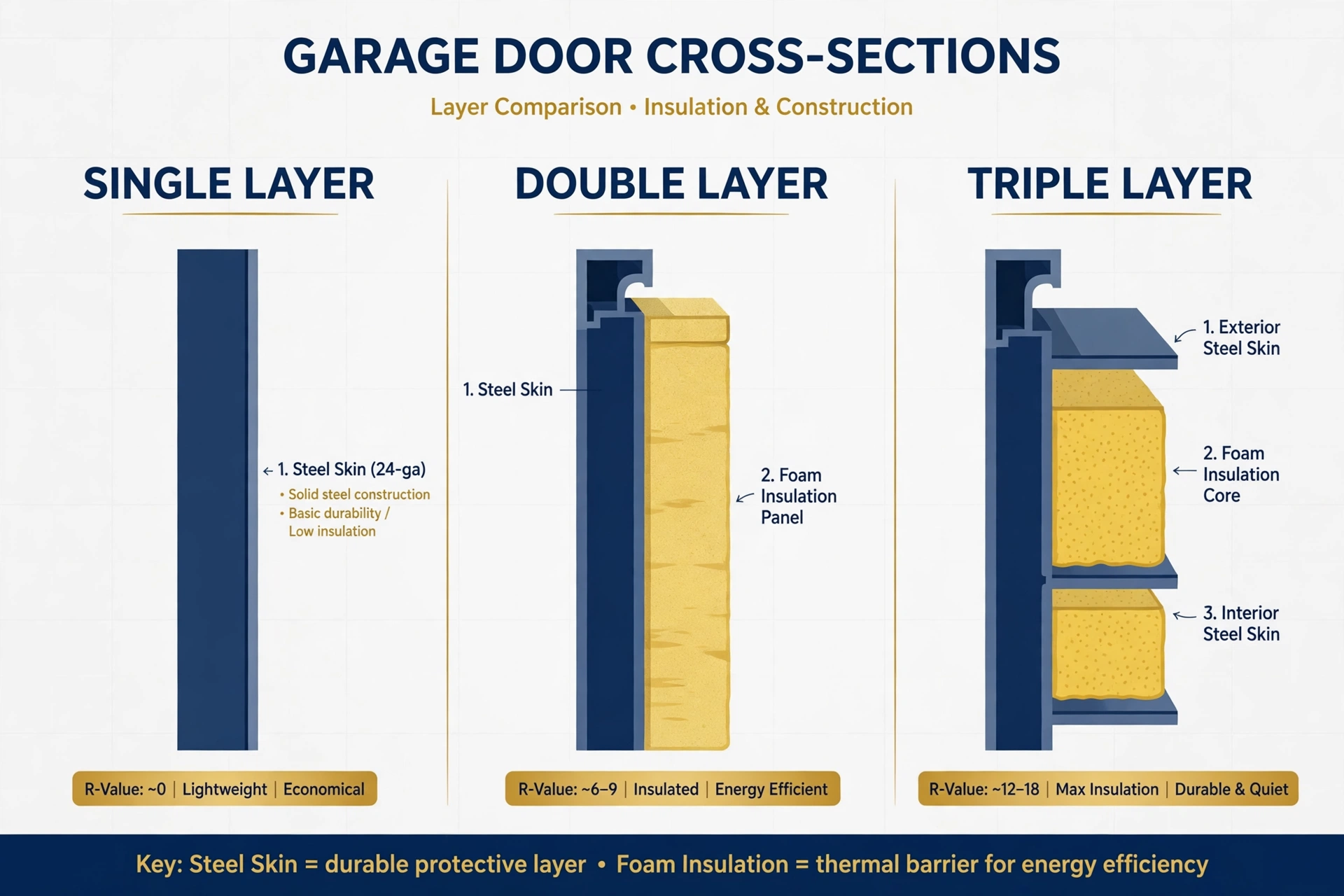
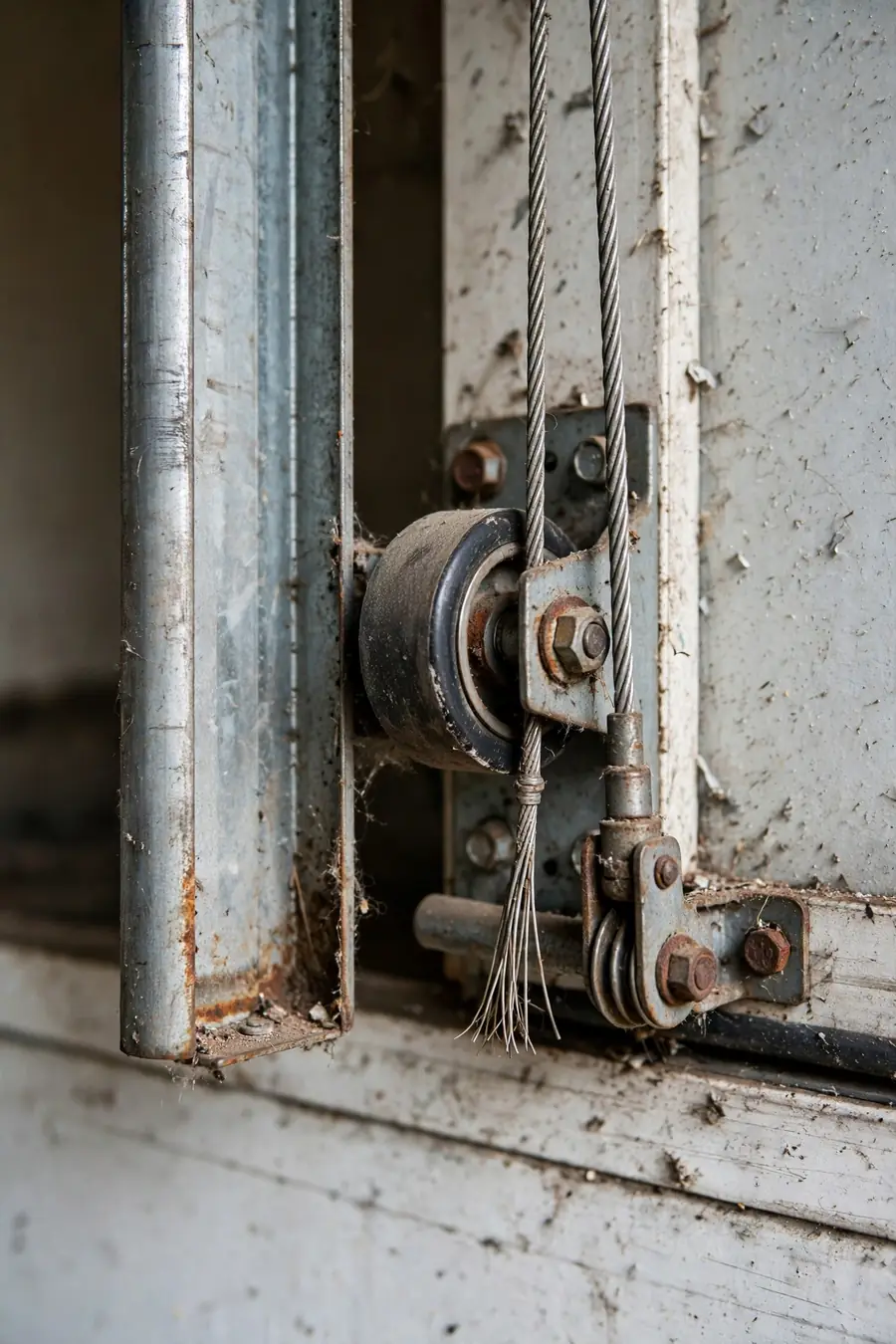
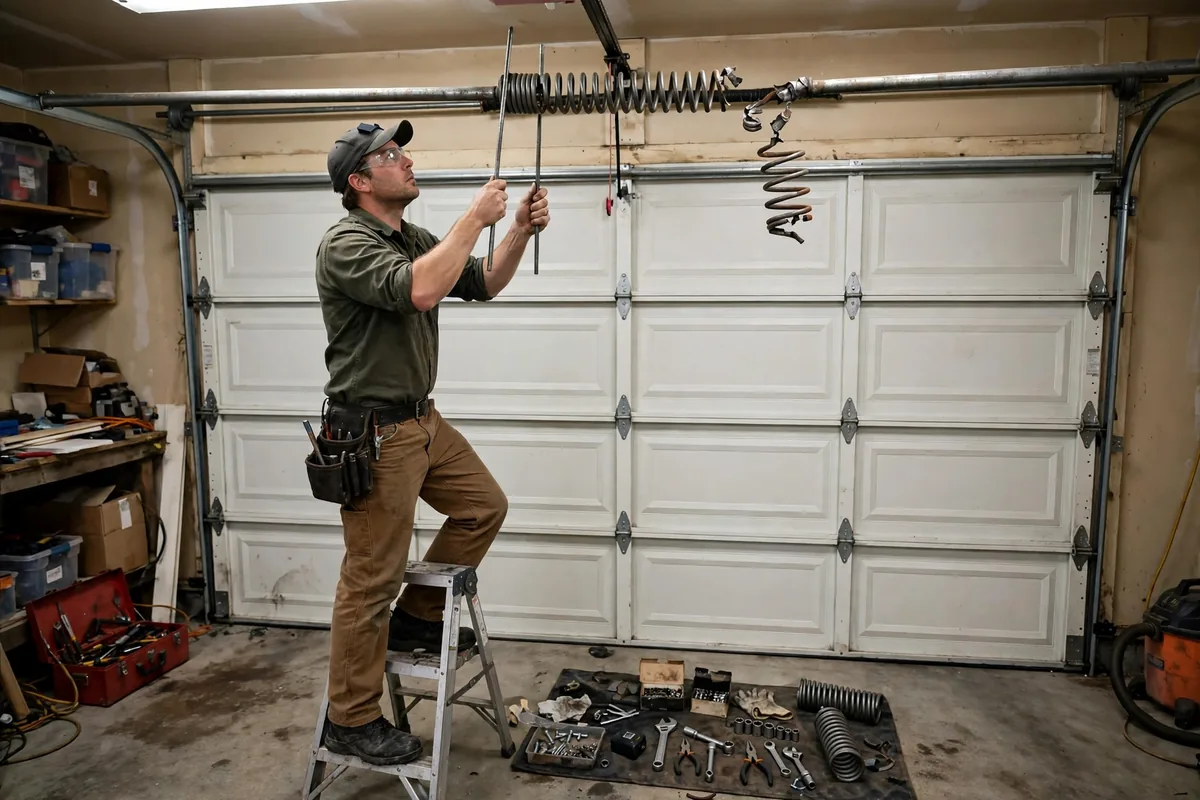
These images show the parts a seal replacement covers.
What happens when you call?
1. Tell us what the door is doing on the call. 2. Confirm a visit time that suits you. 3. On-site check, then the exact price confirmed on site before work starts. 4. Only failed seals are replaced, then the door is run through a full open and close before we leave.
Call (833) 563-1552 — tell us what your door is doing, and we will confirm a visit time and your exact price in writing on site.
Frequently asked questions about garage door weather stripping replacement
How do I know my garage door weather stripping needs replacing?
Look for daylight under the door when it is closed, a draft near the seal, rain or snowmelt pooling along the bottom of the door, and a seal that is cracked, torn, flattened, or pulling away from its retainer. A door that sticks or freezes shut is often a seal problem too. If the bottom seal looks fine, check the side and top seals — they fail just as often.
What is the difference between a bottom seal and side seals?
The bottom seal is the strip along the bottom of the door that meets the floor — it keeps out water, drafts, leaves, and mice. Side seals run down the frame on both sides, and the top seal runs across the header. They close the gaps the door leaves as it moves. A door can have a sound bottom seal and still draft through a torn side seal, so a visit checks all three, plus the threshold.
How often does garage door weather stripping wear out?
There is no fixed lifespan — sun, salt, road grit, and use all wear a seal down, and a south-facing or coastal seal wears faster than a sheltered one. Other Massachusetts sources put exterior seals at roughly three to five years, but the check is visual: look at the seal each autumn. If it is cracked, torn, or flattened, replace it before the first freeze — a worn seal is what lets a door freeze shut.
Can worn weather stripping freeze my garage door shut?
Meltwater collects where a cracked seal meets the floor and freezes it to the concrete overnight. The opener strains against the ice, and pressing the button again and again can strip the opener's drive gear or pull a cable off its drum. Warm the seal gently and never force the opener. If the ice is gone and the door still will not move, it is a broken part — leave it closed and call us.
How much does weather stripping replacement cost in Massachusetts?
No Bay State price is published here, and no figure is quoted on this page. The price depends on which seals need replacing — bottom, side, or top — the width of the door, and whether the retainer needs replacing too. Your exact price is confirmed in writing on site before any work starts, and a seal replacement is usually done in the same visit.
Seal cracked, torn, or letting the weather in — get it replaced before the freeze.
Call Bay State Garage Door Repair Pros at (833) 563-1552, 24 hours a day, 7 days a week.
Last updated: November 29, 2026. Author: Jude Bray, Bay State Garage Door Repair Pros. Business address: 98-2 Ames Pl, Lowell, MA 01851. Phone: (833) 563-1552. Email: [email protected]. Prices are not quoted here — your exact price is confirmed in writing on site.