
Garage Door Weatherstripping in Massachusetts
Cold air, rain, and road salt get into a Massachusetts garage through worn weatherstripping. Here is how to tell a bottom seal from a side seal, the daylight test, what you can replace yourself, and when a gap means call (833) 563-1552.
Garage door weatherstripping Massachusetts is the set of rubber and vinyl seals around the door — a bottom seal (astragal) in a metal retainer, plus side and top seals on the jambs. If you can see daylight under or around the closed door, a seal has failed, and the fix is a matched replacement, not another winter of drafts.
What are the three garage door seals, and what does each one do?
A garage door is sealed in three places, and each seal does a different job. The bottom seal, called an astragal, is the rubber strip that sits in a metal or plastic retainer on the underside of the bottom panel: it closes the gap between the door and the floor.
It takes the most wear, because it meets the floor, the rain, the road salt, and the ice every time the door closes. The side seals are flexible strips nailed or stapled to the vertical jambs, and the top seal runs along the header above the door. Together they block drafts, driving rain, road salt, dust, and pests — and a door that is missing any one of the three is a door that leaks, even if the other two are new.
The seal types matter because they are not interchangeable: bottom seals come in T-style, bulb, J-shape, P-shape, and brush profiles, and the replacement must match the retainer channel on your door. A seal with the wrong bead width will not slide into the channel, or will slide out again the first time the door moves. Our garage door panel materials guide explains steel, wood, aluminum, fiberglass, and vinyl panels side by side, and which ones hold a seal best in Massachusetts.
What is the daylight test for weatherstripping?
Close the door, turn the garage lights off, and look along the bottom edge and the corners from inside. Daylight showing through means the seal is compressed, torn, or gapping — and a seal that has hardened, cracked, or flattened after a few winters of salt and freeze-thaw cycling will not seal again.
Check the corners hardest: the bottom corners are where the bottom seal meets the side seals, and a gap at a corner is the draft you feel on a windy day and the wet line you find on the floor after rain. Feel along the seal with your hand, too: a seal that is hard and brittle in November will be a door frozen to the floor on the first hard freeze, because meltwater runs under a failed seal by day and freezes the door to the floor overnight.
The daylight test also tells you when the problem is not the seal. If the seal looks sound but daylight still shows, the door is not sitting square in the opening — a bent track, worn rollers, or a weak spring is holding it off its seal. That is the moment to stop buying seals: the door needs the track, the rollers, or the spring fixed first, and a technician checks the track and the door balance with the seal, not after it. Our winter garage door guide for Massachusetts explains the full pre-freeze check, including the seal, the tracks, and the springs.
| What you see | What it usually means | What to do |
|---|---|---|
| Daylight under the door | Bottom seal failed | Replace the bottom seal |
| Daylight at the corners | Side or top seal failed | Replace the side/top seals |
| Draft on a windy day | Seal compressed or gapping | Daylight test, then replace |
| Wet line on the floor after rain | Water under the bottom seal | Replace seal, check the slope |
| New seal, gap still there | Track, roller, or spring fault | Stop buying seals and call |
The table is the whole diagnosis in one place, and it is the same check a technician runs first on a visit: daylight, then the seal, then the track. The written price comes before any work starts, so the choice between a seal and a track repair is yours with the numbers in front of you.
How do I replace the bottom seal, step by step?
Replacing a bottom seal on a standard residential door is a reasonable weekend job with basic tools: a tape measure, a utility knife, a flathead screwdriver, and a replacement seal matched to your retainer profile.
Measure the door's width first, and take a close look — or a photo — of the track profile on the bottom of the door panel, so the replacement has the same bead width. Pull the old seal out of the retainer channel, vacuum out dried leaves, road salt residue, and old caulk, and slide the new seal in with a little silicone spray on the groove to help it move without stretching. Trim the excess, leaving a small buffer at each edge, and close the door to check for a snug, even seal with no daylight gaps at the corners. Two people make the job easier: one guides the seal into the channel, the other pulls it through from the far end.
What the job does not include is just as important: never loosen, unbolt, or tamper with the bottom roller brackets or the fasteners connected to the lift cables. The bottom brackets are connected directly to the counterbalance lift cables, which stay under severe tension from the spring at all times, and the CPSC warns against touching them. The homeowner's job is the seal and the retainer; the technician's job is everything that carries the door's weight. If a bracket looks loose, or a cable looks frayed, leave it closed and call (833) 563-1552.
What do the side and top seals do — and what about the freeze after the rain?
Side and top seals are simpler than the bottom seal, and they fail the same way: the rubber hardens, cracks, or pulls away from the jamb, and the draft comes in at the corners.
Pull the old strip off the jamb, clean the wood or metal surface so the new strip sits flat, cut the new weatherstripping to length for each side and the header, and nail or staple the flange in place, working from the top down so the panels overlap correctly. Close the door and check for a snug, even seal with no daylight gaps at the corners. A garage door weatherstripping Massachusetts check is worth doing before the first hard freeze, not after it: a seal that is hard and brittle in November is a door frozen to the floor in December, and a door frozen shut is a morning lost.
The freeze is the reason the seal matters most in Massachusetts. Rain blows in under a failed seal, and the water that pools under the bottom seal freezes on the next cold night — and the next cold nights after the Thanksgiving storm are Tuesday, December 1, at 28°F and Wednesday, December 2, at 32°F. If the door is frozen shut in the morning, warm the bottom seal and try the door by hand first — never force it with the opener. Our garage door frozen shut guide explains how to tell ice from a broken spring, and what never to do when the door will not move. A garage door weatherstripping Massachusetts check before the freeze is the cheapest insurance a Massachusetts garage gets. Start from our Bay State Garage Door Repair Pros homepage for every city we serve.
Weatherstripping: the seals and the parts around them
These images show the parts a weatherstripping job touches — the door itself, the insulation behind it, the track and rollers, and the technician at work.
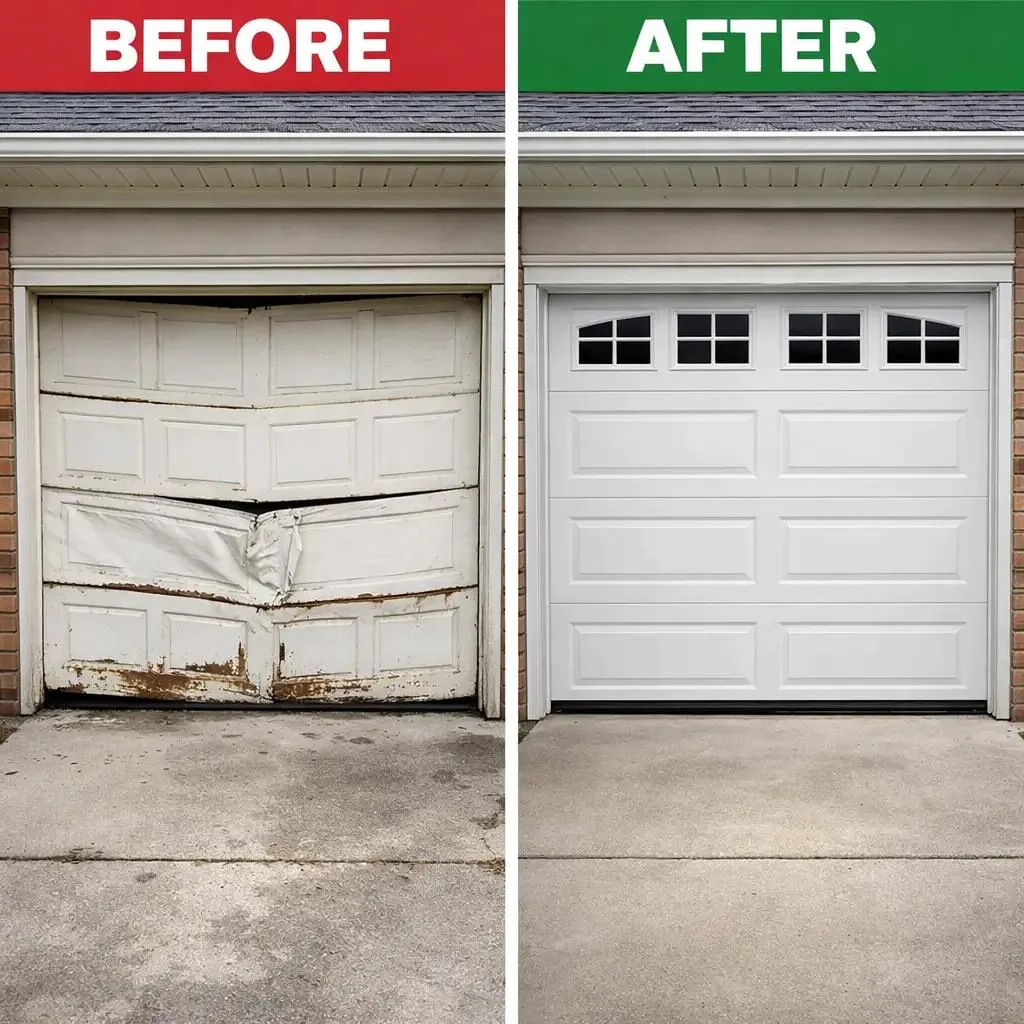
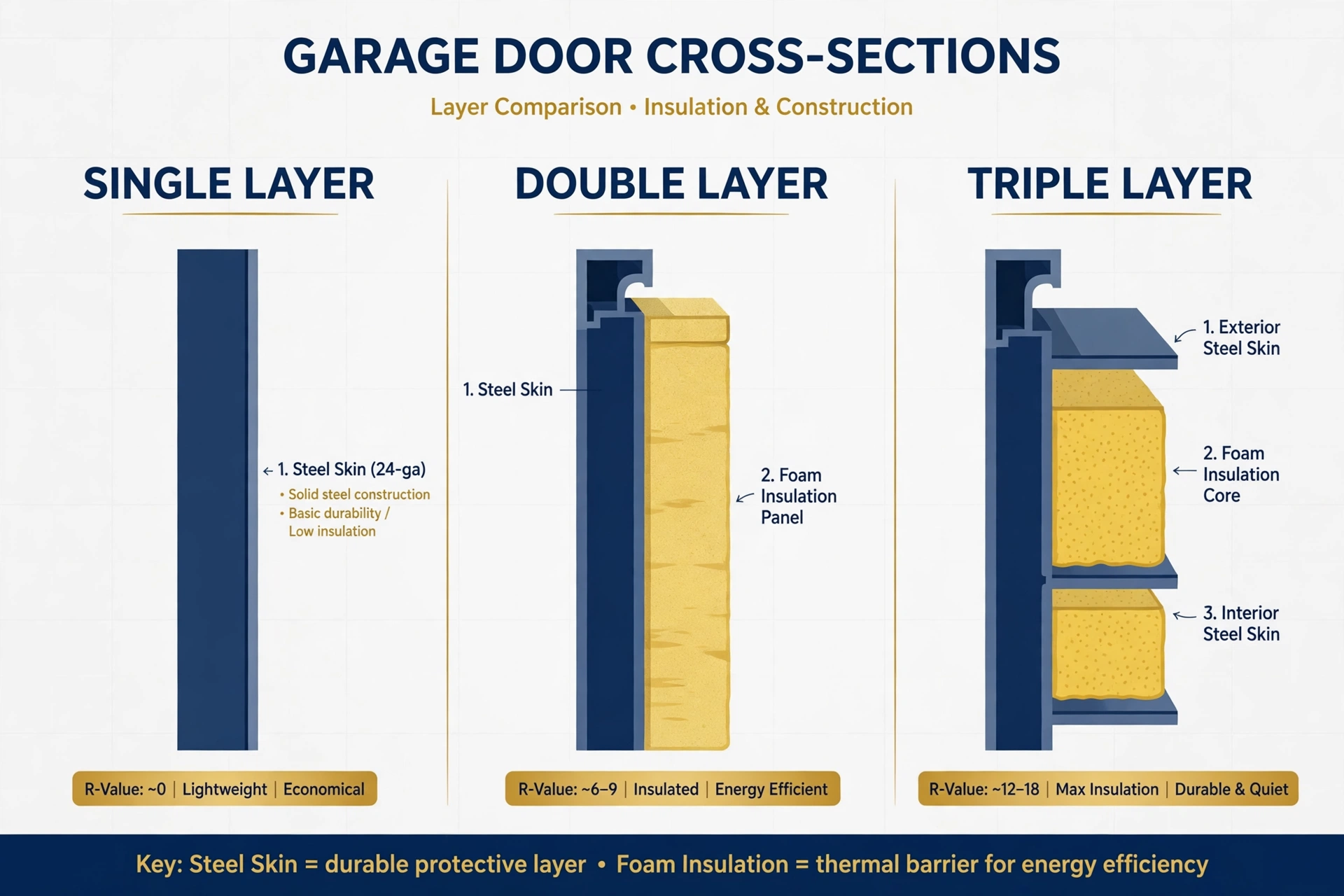
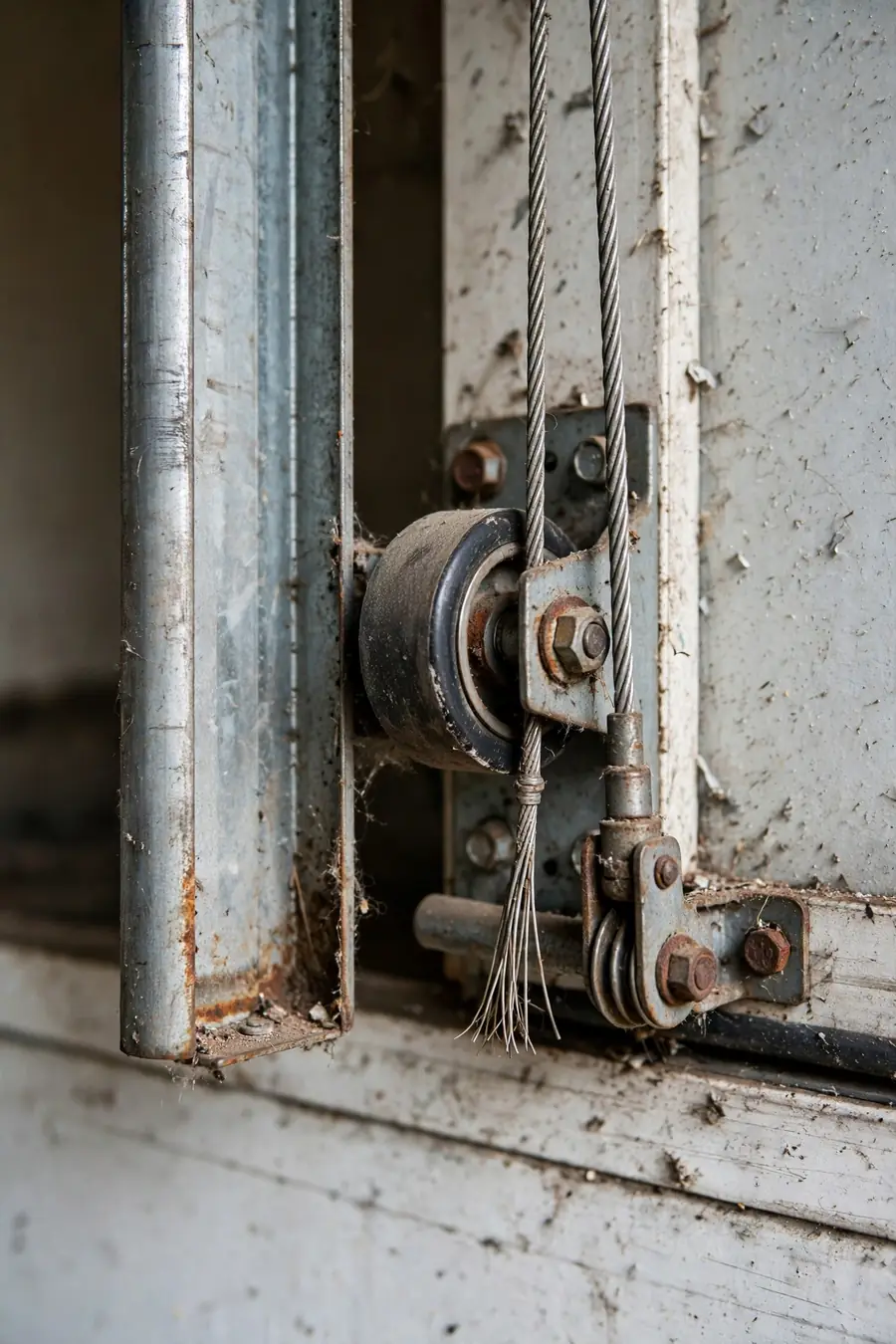
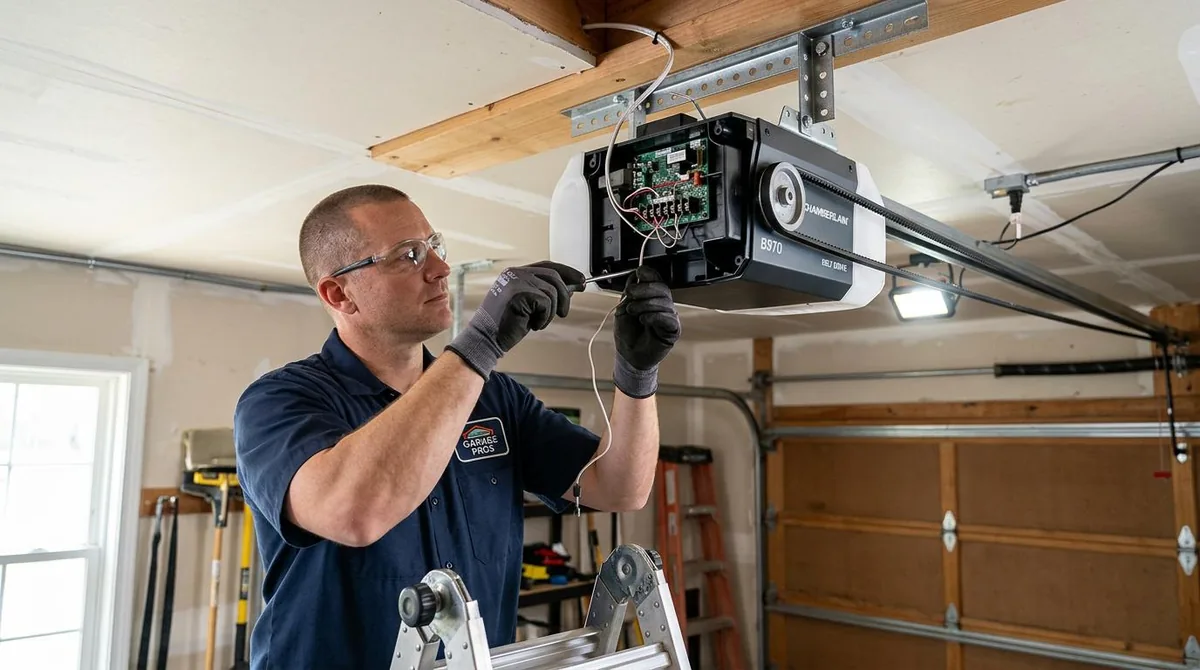
Daylight under the closed door, or a draft you can feel? A seal that has hardened after a few winters will not seal again — replace it before the first hard freeze, not after it.
Call Now to Speak to a SpecialistFor local help, start from our Bay State Garage Door Repair Pros homepage, and read our garage door weather stripping replacement service for the signs a seal has failed, bottom vs side vs top seals, and what a visit covers.
Frequently asked questions about garage door weatherstripping
How do I know my garage door weatherstripping has failed?
Garage door weatherstripping Massachusetts fails in ways you can see and feel: daylight showing under or around the closed door, a draft on a windy day, a wet line on the floor after rain, or pests getting in. Run the daylight test — close the door, turn the garage lights off, and look along the bottom edge and the corners from inside. Daylight means the seal is compressed, torn, or gapping.
What are the three seals on a garage door?
The bottom seal, called an astragal, is the rubber strip in a metal or plastic retainer on the underside of the bottom panel — it closes the gap between the door and the floor. The side seals are flexible strips nailed or stapled to the vertical jambs, and the top seal runs along the header above the door. A complete seal needs all three: a new bottom seal will not stop a draft coming in at the corners.
Can I replace a bottom seal myself?
Yes, on a standard residential door, with basic tools: a tape measure, a utility knife, a flathead screwdriver, and a replacement seal matched to your retainer profile — bulb-style or T-style, and the same bead width as the old one. Measure the door's width, pull the old seal out of the retainer, clean the channel, and slide the new seal in with silicone spray. Never loosen the bottom roller brackets: they hold the lift cables under full spring tension.
What does garage door weather stripping cost in Massachusetts?
Other Massachusetts sources report weather stripping in the $50 to $200 range, as already published in our own cost post. What changes the price is how many seals need replacing, whether the retainer is bent or corroded, and whether the gap turns out to be a track or alignment fault instead. No Bay State price is published here — your exact price is confirmed in writing on site before any work starts.
When is a gap not a seal problem?
When a new seal still leaves a gap, the fault is elsewhere. A bent track, worn rollers, a door out of square, or a weak spring can hold the door off its seal, and no seal will fix that — the track, the rollers, or the spring must be fixed first. If the draft, the water, or the daylight is still there after a new seal, stop buying seals and call (833) 563-1552.
About the author
Jude Bray is the lead technician at Bay State Garage Door Repair Pros, with 26 years in the trade. The business holds Massachusetts Home Improvement Contractor (HIC) Registration and Construction Supervisor License (CSL) credentials, plus IDEA garage door certifications.
Call Bay State Garage Door Repair Pros at (833) 563-1552, 24 hours a day, 7 days a week. A new seal before the freeze is a scheduled visit, not a door frozen shut on a cold morning.
Call Now to Speak to a SpecialistLast updated: November 28, 2026. Author: Jude Bray, Bay State Garage Door Repair Pros. Business address: 98-2 Ames Pl, Lowell, MA 01851. Phone: (833) 563-1552. Email: [email protected]. Seal types and the bottom-bracket warning in this post follow the garage door weatherstripping guides named in the text — your door's own retainer profile is the final word. Prices are not quoted here — your exact price is confirmed in writing on site. Photos and illustrations on this page do not show real Bay State jobs or staff.