
Nor’easter Garage Door Prep in Massachusetts
The first nor'easter of the season is forecast for Massachusetts later this week — chilly rain for Boston, the first snow inland, then a sharp freeze. This guide covers what the storm does to a garage door and the 15-minute check to do before it arrives.
A nor'easter is forecast for Massachusetts later this week — the season's first, bringing rain for most of the state, the first snow inland, and then a sharp freeze. Check your seals, sensors, and balance before it arrives, keep the door closed in high wind, and call (833) 563-1552 if it will not move after the storm.
What is coming later this week with the nor'easter?
The East Coast is bracing for a nor'easter later this week that could bring some snowfall for the first time this season, according to reporting on November 10, 2026. For Massachusetts, the picture is split: Boston gets a chilly rain, and the real snow stays inland.
MassLive reported on November 10 a 30–50% chance of snow for the Berkshires and eastern slopes, with higher elevations possibly seeing accumulation, while most of the state gets rain. It would be wet, heavy snow, not light fluffy snow, and the storm track was still uncertain when the forecast was published.
The National Weather Service forecast issued on Monday, November 9, 2026, has Boston at rain and snow on Friday, November 13, and rain and snow showers on Saturday, November 14, with highs in the low 50s falling to the high 30s and low 40s over the weekend. Worcester is forecast at rain and snow on Friday with a high of 39°F, then cloudy on Saturday. The Boston Globe's Ken Mahan put it plainly: Boston will not see any snow. Boston typically sees its first inch of snow around December 11, so this storm is early — and what follows it is the real story. A sharp blast of cold air arrives behind the storm, with weekend highs in the 30s and 40s and lows in the 20s across much of the Northeast. The full National Weather Service forecast is published on the National Weather Service Boston/Norton forecast page.
The setup makes this storm matter more than its snowfall. Boston's November so far has run warm — an average of 59.1°F, which is 10.8°F above normal, with zero days at or below freezing. Massachusetts has not frozen yet this November. A warm, wet month ending abruptly with the season's first freeze is exactly when garage doors fail: metal contracts, lubricant thickens, seals stick, and a weak spring that survived a warm autumn snaps on the first cold morning. Last week already showed what the wet side of this pattern does — on Friday, November 6, a slow-moving storm dropped more than 5 inches of rain on parts of southeastern Massachusetts, and Boston Logan recorded 2.64 inches in a day, a daily record.
What does a nor'easter do to a garage door?
A nor'easter attacks a garage door in four ways, and three of them show up after the storm has passed. First, wet snow and wind-driven rain soak the bottom seal. When the temperature drops behind the storm, that seal freezes to the floor — and the next morning the door will not open.
Second, wind flexes wide doors. A double-width door is a big flat surface, and sustained wind works on worn rollers, hinges, and tracks, loosening what was already loose. Third, road salt and slush speed up rust on springs, cables, and bottom brackets, especially near the coast. Fourth, the freeze-thaw cycle itself: water gets into small cracks in the seal and the concrete, freezes, expands, and makes the cracks bigger. The damage rarely looks dramatic on the day of the storm. It shows up on the first cold morning after it, when the door is frozen shut, the spring snaps, or the opener strains against a seal that will not release. Our storm garage door guide for Massachusetts covers the full storm picture; this post is about this week's storm specifically.
What is the 15-minute pre-storm check?
Do this before Friday, while the weather is still mild. You need no tools and you should not touch the springs, cables, or tracks.
- Look at the bottom seal. Crouch down and look along the seal where it meets the floor. If it is cracked, torn, or flattened, it will let meltwater sit against the floor — and that water freezes. A cracked seal needs replacing before the freeze.
- Wipe the safety sensors. Clean both photo-eye lenses with a soft cloth and check both lights are on. Rain and road spray cloud the lenses, and a blocked sensor stops the door closing.
- Listen as the door moves. Open and close the door once and listen. Grinding, squeaking, or a door that jerks is worn rollers or dry hinges — worth a call before the storm, not after.
- Watch the close. The door should lower smoothly and evenly. A slow or jerky close, or a door that stops partway, means the balance is off — and a door out of balance is the one that fails in a freeze.
- Clear the tracks. Sweep leaves, grit, and salt out of the tracks and away from the seal line, so meltwater drains instead of pooling against the door.
If anything on that list looks wrong — a cracked seal, a grinding door, a slow close — call before the storm. A weak spring that survived a warm autumn snaps on the first cold morning, and a tune-up now is cheaper than an emergency call on a freezing Saturday. Our garage door tune-up service checks the seal, the balance, and the safety sensors, and our winter garage door guide for Massachusetts covers the full cold-weather picture.
Door slow, noisy, or heavy before the storm? Call before the freeze — a weak spring snaps on the first cold morning.
Call Now to Speak to a SpecialistShould I keep the door closed during a nor'easter?
When the wind picks up, keep the garage door closed and latched if your door has a manual lock. An open door in high wind acts like a sail: wind gets inside the garage, pushes up on the roof, and flexes the door on its tracks.
A closed door keeps the wind out and keeps rain and snow off the opener, the tracks, and the springs. Do not open the door during the worst of the wind unless you need the car out, and close it again straight away. If the power goes out, remember the opener is dead but the door is not broken — the manual release is safe only on a fully closed, balanced door. Never pull the release cord on a door that is partly open, crooked, or very heavy. If the door will not move during the storm, leave it alone until the storm passes; forcing a frozen or wind-jammed door breaks things.
After the storm: what to look for before the next freeze
Once the storm has passed and the temperature drops, check the door before the next freeze locks in whatever the storm loosened. Look at the bottom seal first — if it is wet and the temperature is falling, dry it and spray it lightly with silicone so it releases instead of sticking. Look at the springs above the door: a gap in the coil means a spring has snapped, and the door must stay closed. Our garage door spring replacement service covers that fault. Listen for new grinding or watch for a door that closes slowly or unevenly — those are rollers or tracks the wind worked loose. Check the opener's safety reverse with a roll of paper towels under the door: it should reverse when it touches the roll. If anything is wrong — a snapped spring, a crooked door, a failed safety test — leave the door closed and call us. If you need a planning sense of what a repair costs, our garage door repair cost estimator shows planning ranges reported by other sources, labelled as such — never Bay State prices. And if the door froze shut, read our frozen-door guide next: warm the seal gently, never force the opener, and call if the ice is gone and the door still will not move.
Nor'easter prep: the parts that take the weather
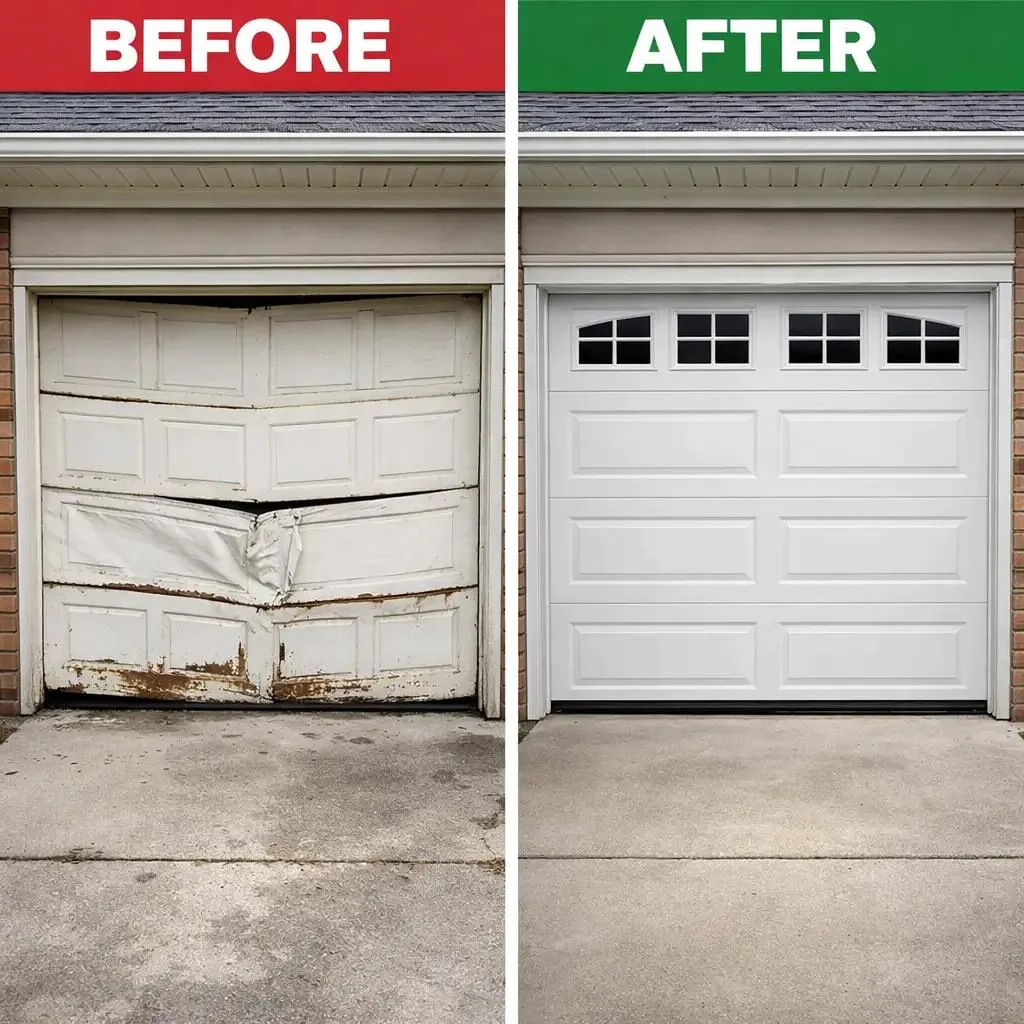
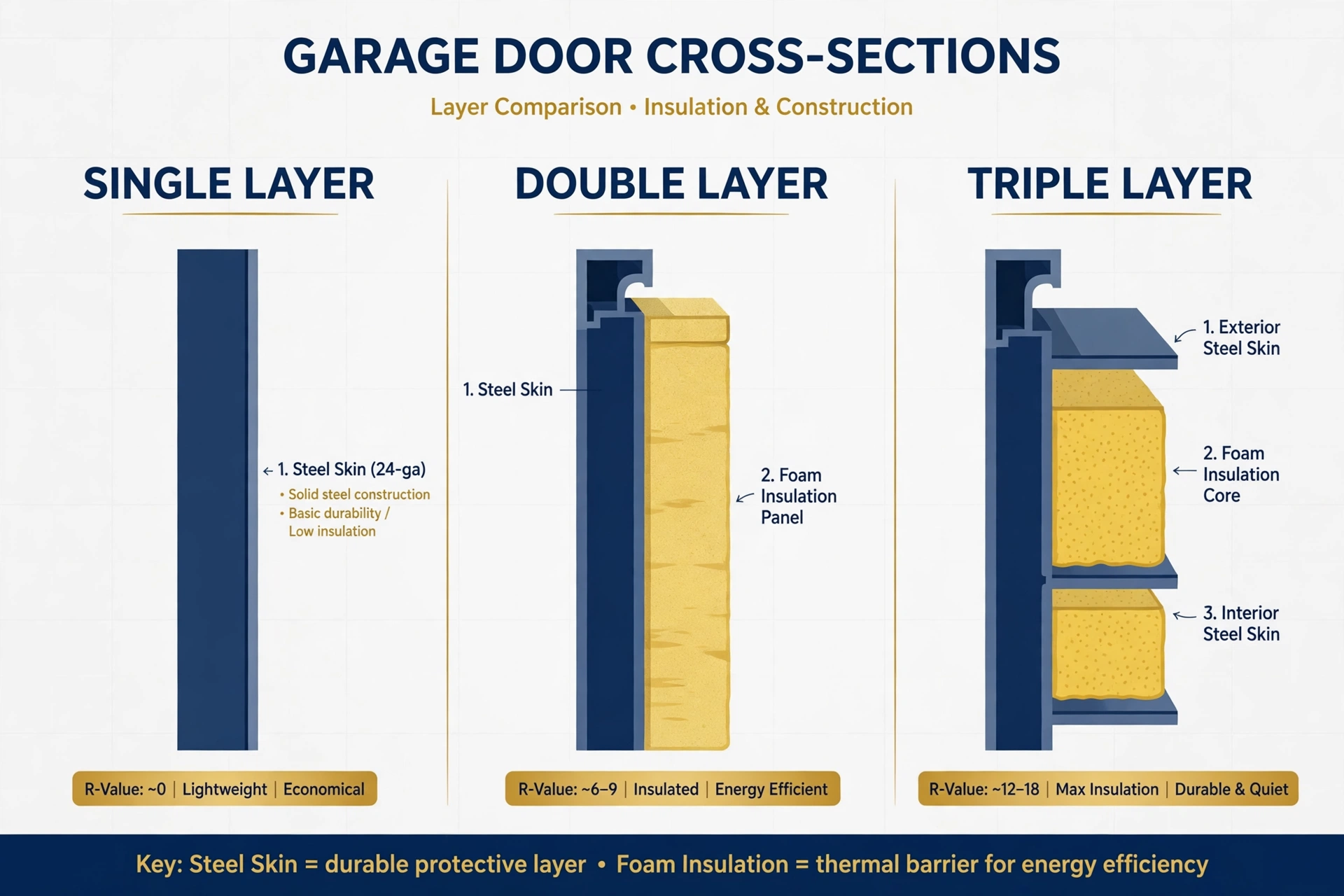
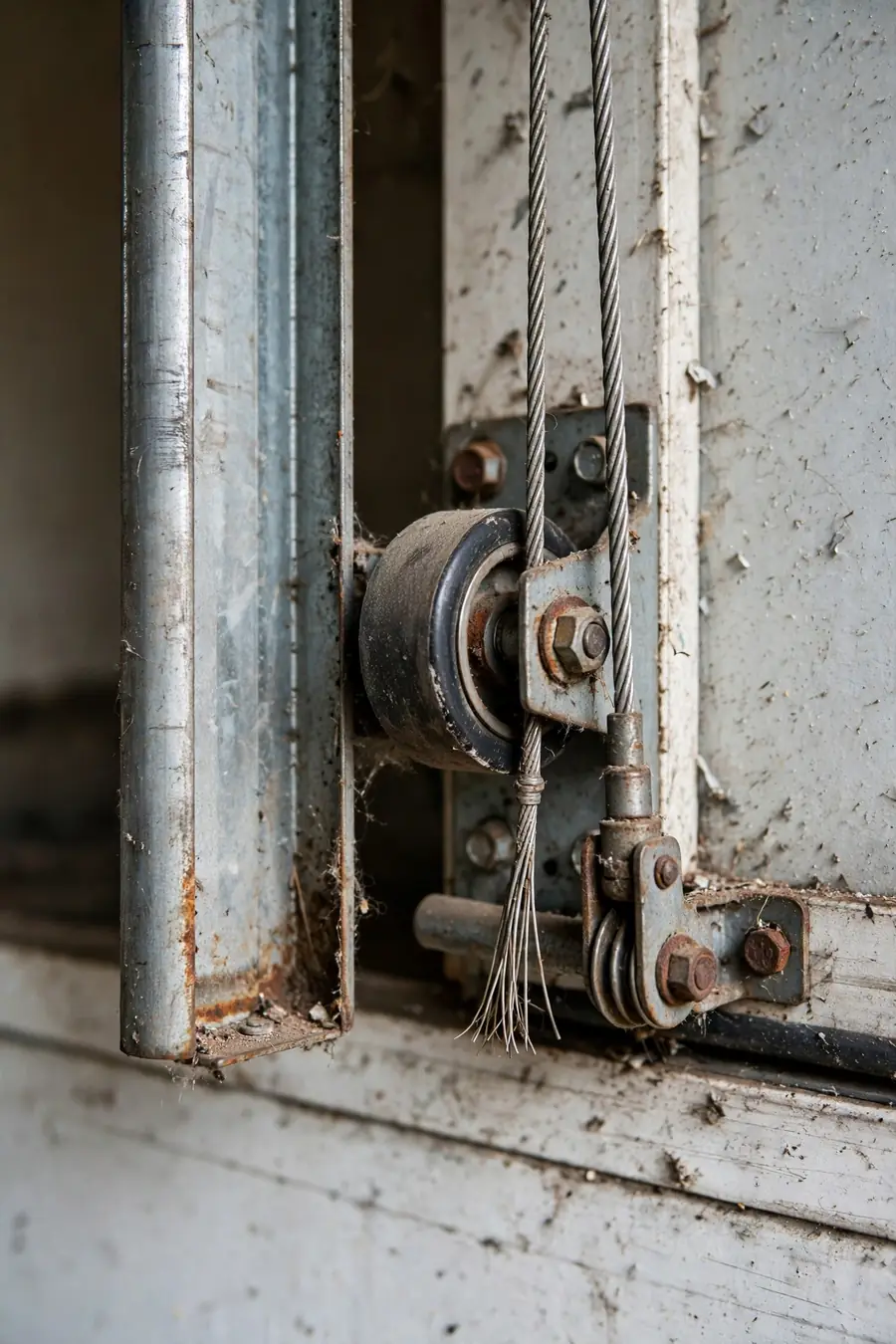
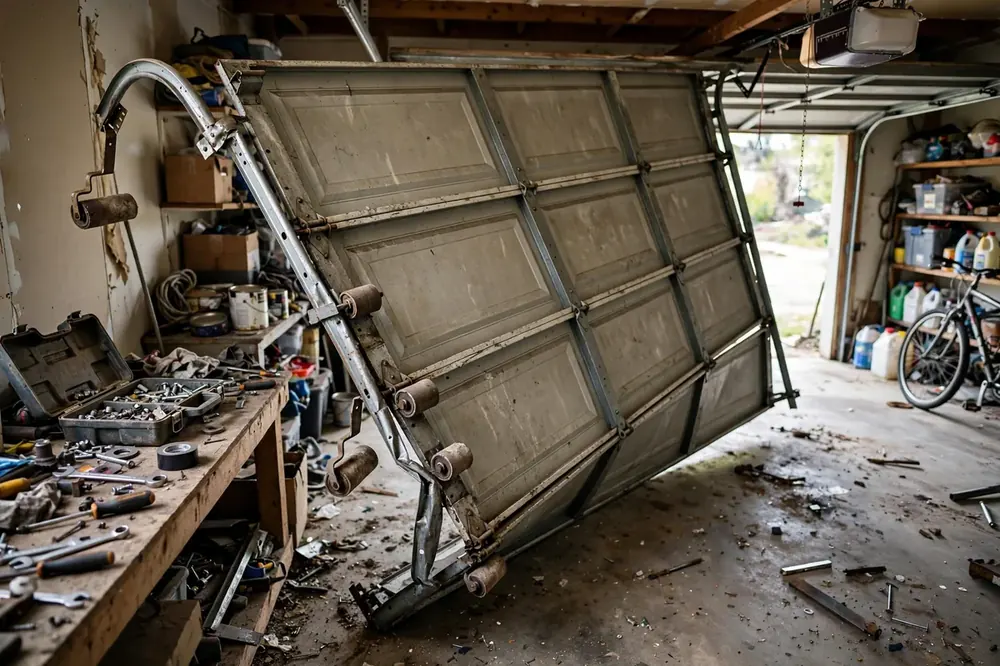
These images show the parts a nor'easter tests first — the bottom seal, the tracks and rollers, the spring, and the insulation that keeps the cold out.
Door slow, noisy, or heavy before the storm? Call before the freeze — a weak spring snaps on the first cold morning.
Call Now to Speak to a SpecialistFor local help, start from our Bay State Garage Door Repair Pros homepage, and try our garage door repair cost estimator for planning ranges reported by other sources.
Frequently asked questions about nor'easter garage door prep
When is the first nor'easter of the season in Massachusetts?
The first nor'easter of the season is forecast for later this week, with the storm moving through Friday night into Saturday, November 13–14, 2026. Reporting on November 10 put a 30–50% chance of snow on the Berkshires and eastern slopes, with most of the state getting rain. Boston is expected to see chilly rain rather than snow, with the best chance of accumulating snow in higher elevations and inland New England. The storm track was still uncertain.
Can a nor'easter damage my garage door?
Yes — mostly through water and the freeze that follows. Wet snow and wind-driven rain soak the bottom seal, and when the temperature drops the seal freezes to the floor. Wind flexes wide doors and works on worn rollers and tracks. Road salt and slush speed up rust on springs, cables, and bottom brackets. The damage usually shows up after the storm, on the first cold morning, when a weakened spring snaps or a frozen seal will not release.
Should I leave my garage door open or closed during a nor'easter?
Closed, and latched if your door has a manual lock. An open door in high wind acts like a sail — wind gets inside the garage, pushes up on the roof, and flexes the door on its tracks. A closed door keeps the wind out and keeps rain and snow off the opener and the tracks. Do not open the door during the worst of the wind unless you need the car out, and close it again straight away.
What should I check on my garage door before the first freeze?
Five things, in about fifteen minutes: look at the bottom seal for cracks or tears; wipe the safety sensor lenses and check both lights are on; listen for grinding as the door moves; watch for a slow or jerky close; and clear leaves from the tracks. If the door is slow, noisy, or heavy, call before the freeze — a weak spring that survived a warm autumn snaps on the first cold morning. Never adjust springs, cables, or tracks yourself.
My garage door froze shut after the storm — what do I do?
Warm the bottom seal — warm water poured slowly along the seal from inside, or a hair dryer on low. Never force the opener: pressing the button again and again can strip the drive gear or pull a cable off the drum. If the ice is gone and the door still will not move, or it feels very heavy or hangs crooked, the problem is a broken part, not ice. Leave it closed and call (833) 563-1552 any time.
About the author
Jude Bray is the lead technician at Bay State Garage Door Repair Pros, with 26 years in the trade. The business holds Massachusetts Home Improvement Contractor (HIC) Registration and Construction Supervisor License (CSL) credentials, plus IDEA garage door certifications.
Call Bay State Garage Door Repair Pros at (833) 563-1552, 24 hours a day, 7 days a week. Leave the door closed and describe what it is doing.
Call Now to Speak to a SpecialistLast updated: November 28, 2026. Author: Jude Bray, Bay State Garage Door Repair Pros. Business address: 98-2 Ames Pl, Lowell, MA 01851. Phone: (833) 563-1552. Email: [email protected]. Forecast details in this post come from reporting published November 9–10, 2026, and the National Weather Service forecast issued November 9, 2026 — check the latest forecast before acting, as storm tracks change. Prices are planning ranges reported by other sources, not a quote for your door. Photos and illustrations on this page do not show real Bay State jobs or staff.