
Massachusetts' First Hard Freeze Arrives Tonight
Massachusetts' first hard freeze arrives tonight: inland towns fall into the mid-20s, while Boston dips to the mid-30s and stays just above freezing. A hard freeze is the night garage doors fail — springs snap, seals freeze to the floor, and the opener strains. Check it before dark.
Tonight, Monday November 16, inland Massachusetts falls into the mid-20s — the season's first hard freeze — while Boston dips to the mid-30s and stays just above freezing. Cold contracts metal springs and cables, thickens lubricant, and freezes the bottom seal to the floor. Check the door before dark.
What is the forecast tonight, in plain language?
Tonight is the night the warm November ends. The National Weather Service Boston/Norton zone forecast, issued at 1:03 AM EST on Monday, November 16, 2026, calls for Monday night lows in the mid-20s across interior Massachusetts — the season's first hard freeze.
Monday itself is mostly sunny, with highs in the upper 40s, and Tuesday is sunny with highs in the lower 50s — but tonight, between the two warm days, the temperature falls hard. Boston stays warmer: the National Weather Service point forecast for Boston, last updated at 10:12 PM EST on Sunday, November 15, puts the overnight low in the mid-30s, with the wind chill falling into the 20s. Boston has still not frozen this November — the coldest morning so far was 35°F on November 14 — and tonight it stays just above freezing. The hard freeze is inland, and the doors that fail first are the inland ones.
That pattern is the one to watch for the rest of the month: the coast stays a few degrees warmer, the inland towns freeze first, and the doors that fail first are the inland ones. If you live inland and your door was slow or heavy on Saturday morning, do not wait for tonight to find out what is wrong with it. Our winter garage door guide for Massachusetts explains the full pre-freeze check, and what a visit looks at first on a door that will not open.
Why is a hard freeze different from a freeze?
A freeze is a night at or just below 32°F — cold enough for frost, but not cold enough to freeze water solid through. A hard freeze is a night in the 20s, long enough for water to freeze solid — and that difference is what breaks garage doors.
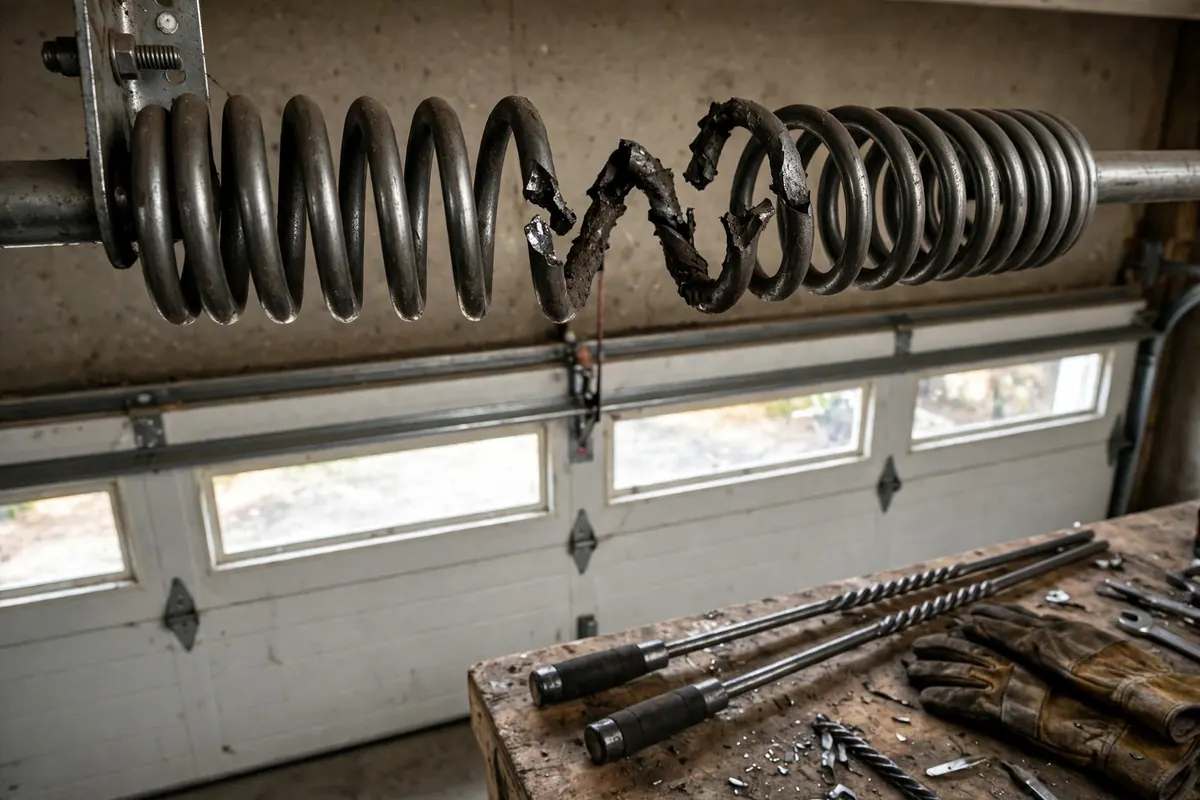
Meltwater under the bottom seal does not just frost over in a hard freeze; it freezes the door to the floor. Metal does not just get cold; it contracts, and a spring that was already worn snaps. Lubricant does not just get stiff; it thickens until the rollers grind instead of rolling. The cold does not snap a healthy spring — it snaps one that was already worn, and a hard freeze is the night that finishes it. Our garage door spring replacement service covers the check, the replacement, and the balance test — and a spring caught early is a scheduled visit, not an emergency on a freezing morning.
The wet November makes tonight worse than an ordinary first freeze. Through November 14, Boston had 3.88 inches of rain — 2.21 inches above normal — and still had not frozen, so tracks and rollers that never dried out are going into their first hard freeze wet. A spring that sat wet for two weeks starts to rust, and a spring thinned by rust is the one that snaps when the cold arrives. The doors that fail tonight will be the ones that spent November getting wet and never drying out.
Door slow, noisy, or heavy as the temperature drops? Tonight is the night it will be tested — get it checked before dark.
Call Now to Speak to a SpecialistWhat does a hard freeze do to a garage door?
Four faults show up on the first hard freeze, and they usually arrive together. The first is the bottom seal frozen to the floor: meltwater collects where the door meets the floor during the day, then freezes overnight, and by morning the seal is stuck fast.
The second is the spring snapping: cold contracts the metal, and a worn spring snaps on the first cold morning, often with a loud bang that wakes the house. The third is the opener straining: it hums and grinds against a door that will not move, and pressing the button again can strip the drive gear or pull a cable off its drum. The fourth is the door moving slowly or jerking: lubricant thickened by the cold, rollers grinding instead of rolling, and a door that stops partway. Our garage door frozen shut guide explains how to tell ice from a broken spring, and what never to do when the door will not move.
Coastal doors add a second problem. Salt air corrodes springs and cables faster than inland air, and a spring already thinned by salt is the one that snaps when the cold arrives. The bottom brackets go first — they sit closest to the wettest, saltiest part of the door — and a bracket that fails under full spring tension can let a cable come off its drum. That is why a coastal visit checks the bottom of the door first, and why a door that was slow after the November 13 storm is a door to check before tonight, not after.
What check should I do before dark?
Do the five-minute check before dark tonight: look at the bottom seal — if it is cracked or torn, water is getting in where a sound seal would keep it out. Listen for grinding as the door moves, watch for a slow or jerky close, test the safety sensors, and clear leaves from the tracks.
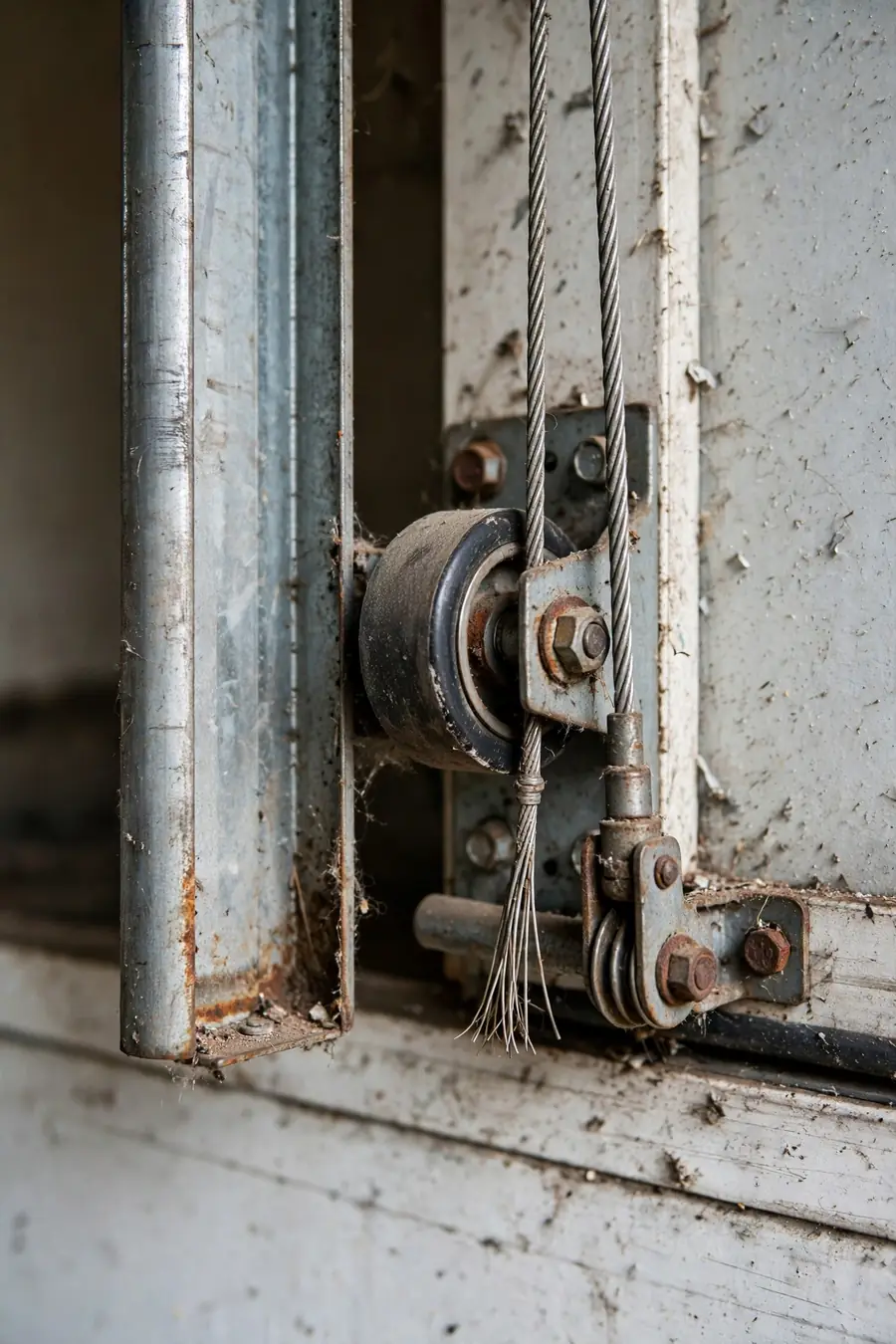
Look at the spring coil for a gap or rust, and at the cable for fraying. If the door is slow, noisy, or heavy as the temperature drops, do not wait for it to fail — call us for a tune-up before the freeze arrives. Our garage door tune-up service covers the full annual check before the first freeze: lubrication, hardware, balance, and safety sensors in one visit, with the spring and the bottom seal first on the list.
If the door is frozen shut in the morning, warm the bottom seal gently and try the door by hand first — never force it with the opener. If the ice is gone and the door still will not move, or if it moves an inch and stops, the fault is a broken part, not ice. Leave it closed and call (833) 563-1552. And if the car is trapped inside, that is an emergency, not a tomorrow problem. Start from our Bay State Garage Door Repair Pros homepage for every city we serve.
A hard freeze: the parts it tests
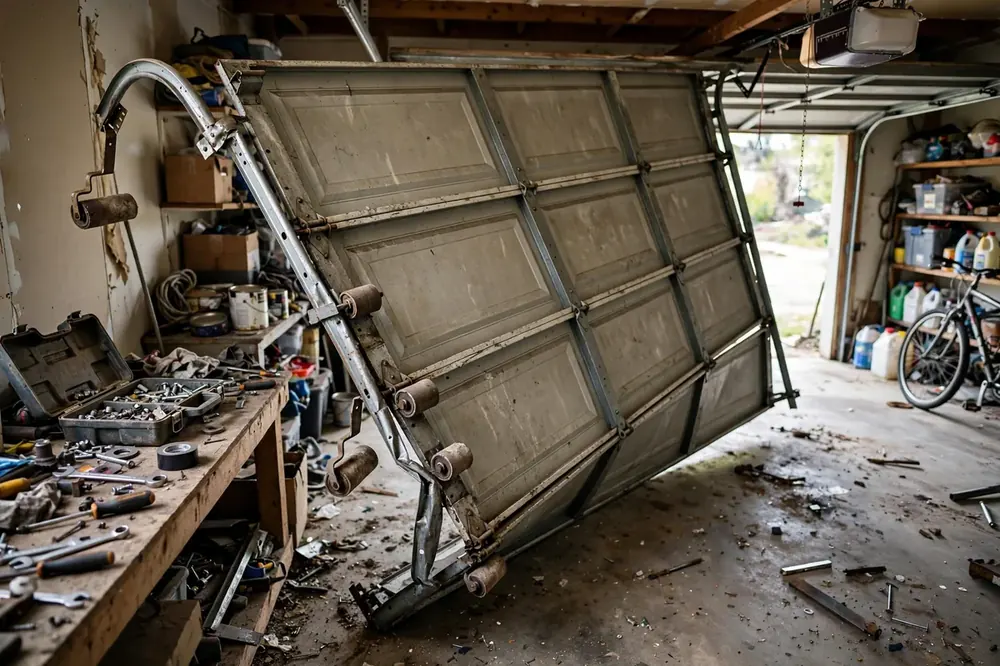
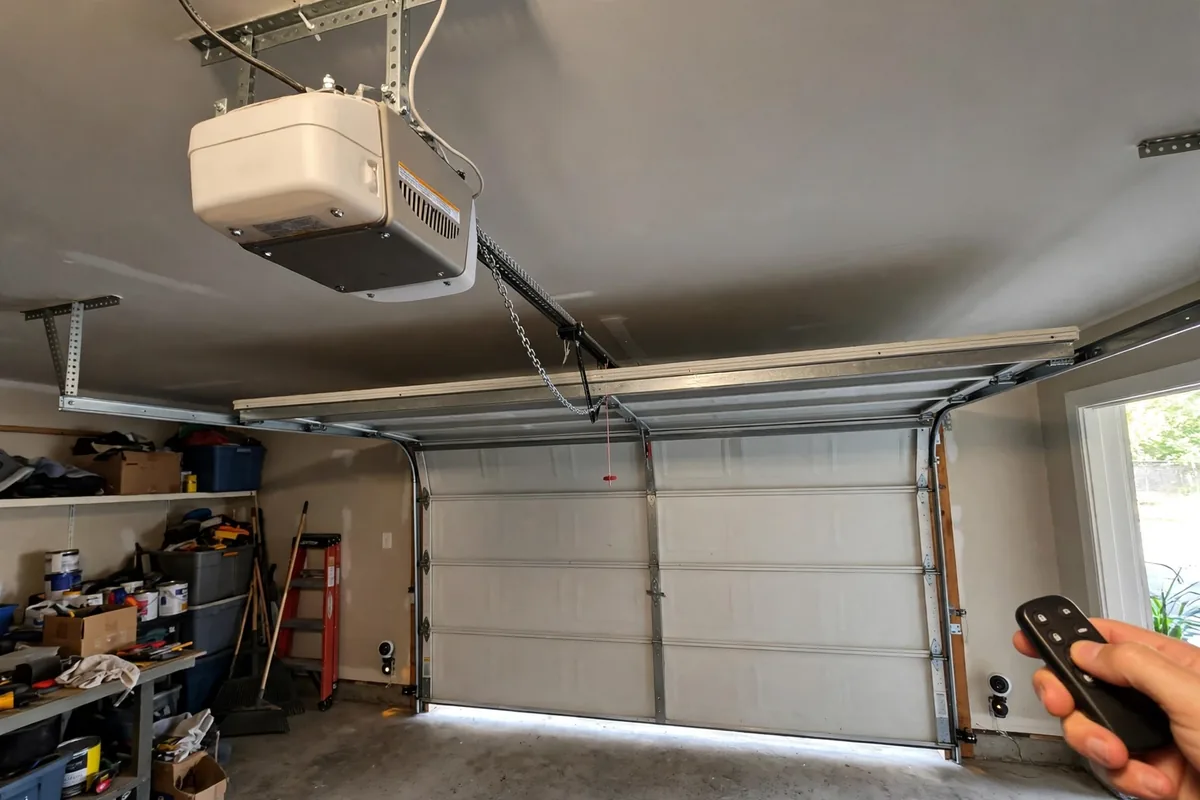
These images show the parts a hard freeze tests — the spring, the track and rollers, the cable and drum, and the opener.
Door slow, noisy, or heavy as the temperature drops? Tonight is the night it will be tested — get it checked before dark.
Call Now to Speak to a SpecialistFor local help, start from our Bay State Garage Door Repair Pros homepage, and read our winter garage door guide for Massachusetts for the full pre-freeze check.
Frequently asked questions about the first hard freeze in Massachusetts
What is a hard freeze, and is tonight one?
A hard freeze is a night when the temperature falls well below freezing — into the 20s — long enough for water to freeze solid, not just frost over. Tonight is one inland: the National Weather Service forecasts Monday night lows in the mid-20s across interior Massachusetts. Boston is not included — it dips to the mid-30s tonight and stays just above freezing, though the wind chill falls into the 20s.
Why does a hard freeze break garage doors?
Because cold does four things at once: it contracts the metal in springs and cables, so a worn spring snaps; it thickens the lubricant, so rollers grind and the door moves slowly or jerks; it freezes the bottom seal to the floor, so the opener strains against the ice; and it finishes off parts that a wet November already weakened. The cold does not snap a healthy spring — it snaps one that was already worn.
What should I check before dark tonight?
Do the five-minute check: look at the bottom seal — if it is cracked or torn, water is getting in where a sound seal would keep it out. Listen for grinding as the door moves, watch for a slow or jerky close, test the safety sensors, and clear leaves from the tracks. If the door is slow, noisy, or heavy, do not wait for it to fail — call us for a tune-up before the freeze arrives.
What do I do if the door is frozen shut in the morning?
Warm the bottom seal and try the door first — never force it with the opener. Pressing the button strains the opener against the ice, and it can strip the drive gear, pull a cable off its drum, or burn out the motor. If the ice is gone and the door still will not move, or if it moves an inch and stops, the fault is a broken part, not ice — leave it closed and call (833) 563-1552.
My door was slow after the November 13 storm — is it at risk tonight?
Yes — more than a door that ran fine. November has been warm and wet, with 3.88 inches of rain so far and no freeze yet in Boston, so tracks and rollers that never dried out are going into their first hard freeze wet. A slow or heavy door is a door telling you it is about to fail, and tonight is the night it will be tested. Call us for a tune-up before dark.
About the author
Jude Bray is the lead technician at Bay State Garage Door Repair Pros, with 26 years in the trade. The business holds Massachusetts Home Improvement Contractor (HIC) Registration and Construction Supervisor License (CSL) credentials, plus IDEA garage door certifications.
Call Bay State Garage Door Repair Pros at (833) 563-1552, 24 hours a day, 7 days a week. A pre-freeze tune-up now is a scheduled visit, not an emergency on a freezing morning.
Call Now to Speak to a SpecialistLast updated: November 28, 2026. Author: Jude Bray, Bay State Garage Door Repair Pros. Business address: 98-2 Ames Pl, Lowell, MA 01851. Phone: (833) 563-1552. Email: [email protected]. Weather figures in this post come from the National Weather Service Boston/Norton zone forecast issued 1:03 AM EST Monday, November 16, 2026, and the NWS Boston point forecast last updated 10:12 PM EST Sunday, November 15, 2026. Prices are not quoted here — your exact price is confirmed in writing on site. Photos and illustrations on this page do not show real Bay State jobs or staff.