
Your Garage Door Opener May Soon Refuse to Move During a Power Cut — Here's Why
The U.S. Consumer Product Safety Commission published a new rule on October 30, 2026: a battery-backup garage door opener must prove it can finish a full open-and-close cycle before it moves. If it cannot, it stays put. The rule takes effect December 29, 2026.
From December 29, 2026, a new opener with a battery backup must prove it has enough charge to finish an open-and-close cycle before it moves. If it cannot, it stays put and the door stays open until the battery charges or power returns. The rule covers openers made or imported from that date — not the one on your wall.
What did the CPSC publish about garage door opener battery backup?
The U.S. Consumer Product Safety Commission published a direct final rule on October 30, 2026 (Federal Register Vol. 91, No. 209, FR Doc 2026-22213, Docket No. CPSC-2015-0025) amending 16 CFR Part 1211, the mandatory safety standard for automatic residential garage door operators, to align with UL 325 Seventh Edition (September 15, 2025).
The rule was published as a direct final rule, which means it takes effect unless the Commission receives significant adverse comments by the comment deadline of November 30, 2026. If it stands — and nothing in the record so far suggests it will not — it takes effect on December 29, 2026, for openers manufactured or imported on or after that date. The full rule is published in the Federal Register, and the PDF is available from the Government Publishing Office.
Read that date carefully: December 29, 2026 is when the rule starts to apply to new openers, not when your opener changes. The rule binds manufacturers and importers. It asks nothing of homeowners directly, and it does not require anyone to replace an opener they already own. What it does is change what a new opener with a battery backup is allowed to do when the power is out — and that change is worth understanding before the next storm, because it is the reason an opener may one day refuse to move at all.
What is the new battery-backup behaviour, in plain language?
Under the new rule, an opener with a battery backup must verify it has enough charge to complete a full open-and-close cycle before it moves the door. If it cannot, it must stop and leave the door open rather than try.
The door stays open, and powered operation is disabled until the battery is charged or mains power returns. Units must also carry a warning label directing owners to immediately use the emergency release if the door becomes inoperable in battery-backup mode. In plain language: on battery power, the opener checks first and moves second — and if the battery cannot finish the job, the opener will not start it. Our garage door opener repair service covers the battery, the drive, and the safety sensors together, and the visit will tell you straight whether a battery is at the end of its life.
That behaviour will feel strange the first time it happens. A homeowner who has always been able to open the door once on battery power will now find the opener refusing to move at all — and the door sitting open, with the opener disabled, until the battery charges or the power comes back. It is not a fault. It is the rule working as written. The opener is refusing to start a cycle it cannot finish, because a cycle it cannot finish is worse than no cycle at all.
Why does the battery-backup rule exist?
Entrapment protection. A garage door opener must stop and reverse if it hits something on the way down, and that protection needs power. If the battery dies halfway through a cycle, the door is left half open, heavy, and impossible to move safely — with the safety reverse and photo-eye sensors dead too, because the same battery powers them.
A half-open door with dead protection is the worst place a door can be: it cannot be secured, it cannot be moved by hand without force, and it will not stop for a person or a car in its path. Making the opener prove it can finish the cycle first means the door is either fully open or fully closed — never stranded in between with no power to move it. Our garage door safety sensors guide explains what the sensors do, how the safety reverse works, and how to check both.
The rule is also a response to how batteries actually age. A battery backup does not fail all at once: it loses capacity over years, and by the time it can no longer finish a cycle it may still have enough charge to start one. An opener that starts a cycle on a dying battery and then stops halfway is exactly the failure the rule is written to prevent. The check-before-moving behaviour catches a weak battery before it becomes a stranded door.
Opener beeps, hesitates, or refuses to close on battery power? The battery is likely at the end of its life — and a battery is a replaceable part.
Call Now to Speak to a SpecialistWhat does the battery-backup rule mean for Massachusetts homeowners?
For most Massachusetts homeowners, the answer is: nothing to do today. The rule applies to openers manufactured or imported on or after December 29, 2026, so the opener already on your wall is not affected, and no one is required to replace it.
But the rule is still worth knowing about, because it changes what to expect from the next opener you buy — and because the battery in the opener you already own is the same part the rule is written around. If your opener beeps, hesitates, or refuses to close on battery power, the battery is likely at the end of its life. A battery is a replaceable part, and replacing it before the next outage is a small job compared with a door stuck open in a storm. Our garage door opener installation service covers new openers with battery backup, fitted and set up with the safety-sensor check included.
Two Massachusetts details are worth knowing. The first is the storm season: the same nor'easters and winter storms that knock power out for hours are the reason a battery backup matters here at all, and a battery that has not been tested is a battery you cannot rely on. The second is the age of the stock: many Massachusetts homes still run openers fitted years ago, and their batteries have been quietly losing capacity for just as long. If your opener is more than five years old and its battery has never been replaced, assume it is weak until it proves otherwise — the test below takes a minute.
How to test a battery backup before the next outage
Unplug the opener for a minute and try the wall button: the door should open and close once on battery power, smoothly and without hesitating. If it moves slowly, beeps, or refuses to close, the battery is weak and should be replaced before the next outage — do not wait for the storm to find out. If the door moves normally on battery power, plug the opener back in and the battery will recharge. Do not test it on a door that is already faulty: if the door is crooked, heavy, or off its track, leave it closed and call (833) 563-1552 first, because a faulty door on battery power is a door that can jam or drop. Our garage door won't open after a power cut guide explains the same test in full, and what to do when the power comes back and the door still will not move.
Start from our Bay State Garage Door Repair Pros homepage for every city we serve, and for the rule itself see the Federal Register publication at govinfo.gov — FR Doc 2026-22213.
The battery-backup rule: the parts involved
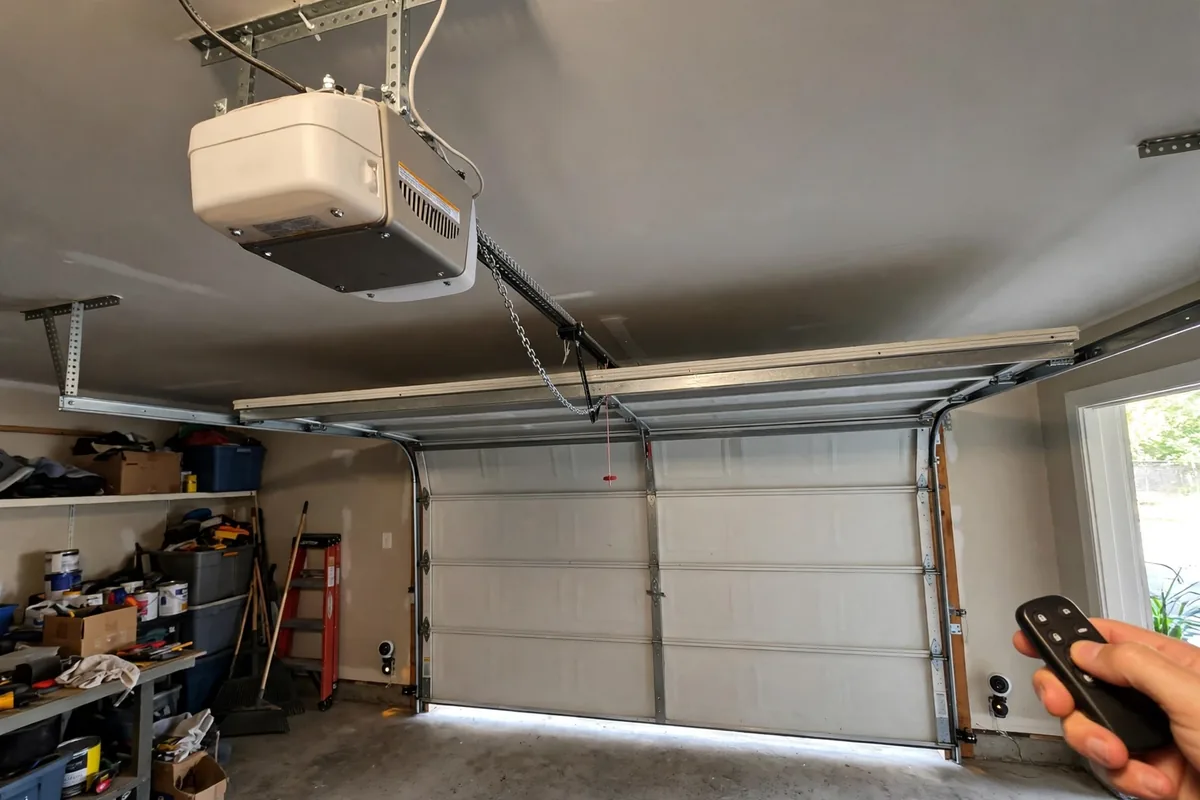
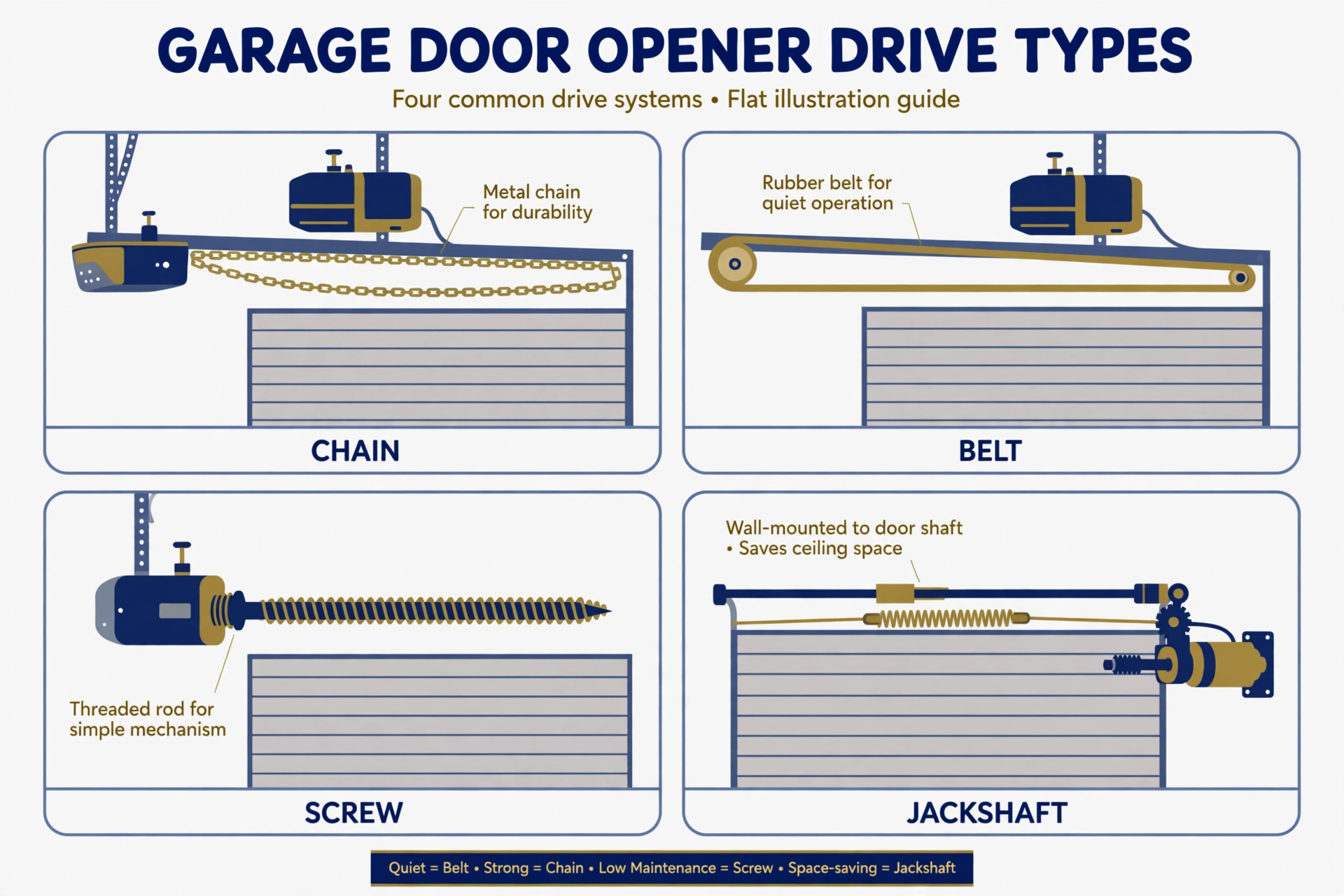
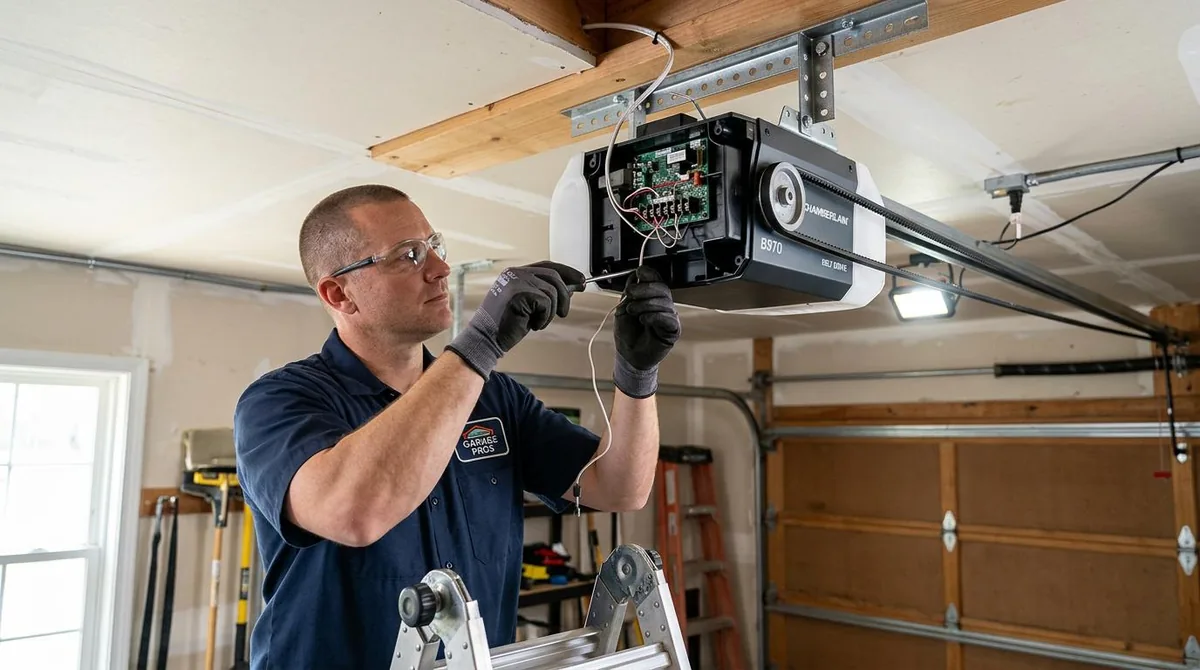
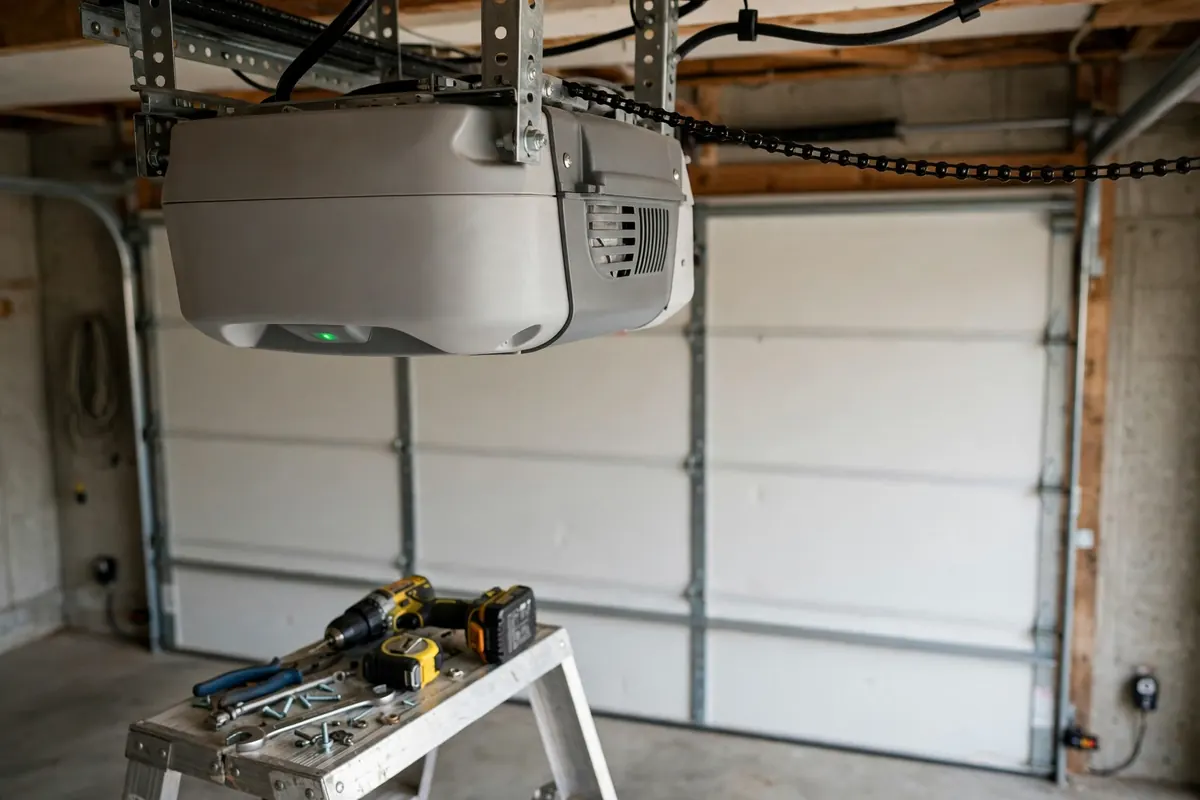
These images show the parts involved when a battery-backup opener is fitted — the opener motor, the opener types, the technician's work, and the opener repair.
Opener beeps, hesitates, or refuses to close on battery power? The battery is likely at the end of its life — and a battery is a replaceable part.
Call Now to Speak to a SpecialistFor local help, start from our Bay State Garage Door Repair Pros homepage, and read our garage door won't open after a power cut guide for the same battery test in full.
Frequently asked questions about the CPSC battery-backup rule
What did the CPSC publish about garage door openers?
The U.S. Consumer Product Safety Commission published a direct final rule on October 30, 2026 (Federal Register Vol. 91, No. 209, FR Doc 2026-22213, Docket No. CPSC-2015-0025) amending 16 CFR Part 1211, the mandatory safety standard for automatic residential garage door operators, to align with UL 325 Seventh Edition. The comment deadline is November 30, 2026, and the rule takes effect December 29, 2026.
What changes for a battery-backup opener under the new rule?
On battery power, the opener must verify it has enough charge to complete a full open-and-close cycle before it moves the door. If it cannot, it must stop and leave the door open rather than try — the door stays open, and powered operation is disabled until the battery is charged or mains power returns. Units must also carry a warning label telling owners to use the emergency release immediately if the door becomes inoperable in battery-backup mode.
Does the rule affect the opener already on my wall?
No — the rule binds manufacturers and importers, and it applies to openers manufactured or imported on or after December 29, 2026. It asks nothing of homeowners directly, and it does not require you to replace an opener you already own. But if your opener beeps, hesitates, or refuses to close on battery power, the battery is likely at the end of its life — and a battery is a replaceable part.
Why does the rule make an opener refuse to move?
So a door never gets stuck halfway with its entrapment protection dead. A battery that dies mid-cycle leaves the door half open, heavy, and impossible to move safely — and the safety reverse and sensors may be dead too. Making the opener prove it can finish the cycle first means the door is either fully open or fully closed, never stranded in between with no power to move it.
How do I test a battery backup before the next outage?
Unplug the opener for a minute and try the wall button: the door should open and close once on battery power. If it moves slowly, beeps, or refuses to close, the battery is weak and should be replaced before the next outage. Do not test it on a door that is already faulty — if the door is crooked, heavy, or off its track, leave it closed and call (833) 563-1552 first.
About the author
Jude Bray is the lead technician at Bay State Garage Door Repair Pros, with 26 years in the trade. The business holds Massachusetts Home Improvement Contractor (HIC) Registration and Construction Supervisor License (CSL) credentials, plus IDEA garage door certifications.
Call Bay State Garage Door Repair Pros at (833) 563-1552, 24 hours a day, 7 days a week. A battery is a replaceable part — test it before the next outage.
Call Now to Speak to a SpecialistLast updated: November 28, 2026. Author: Jude Bray, Bay State Garage Door Repair Pros. Business address: 98-2 Ames Pl, Lowell, MA 01851. Phone: (833) 563-1552. Email: [email protected]. Rule details in this post come from the Federal Register publication FR Doc 2026-22213 (October 30, 2026). Prices are not quoted here — your exact price is confirmed in writing on site. Photos and illustrations on this page do not show real Bay State jobs or staff.