
Garage Door Maintenance Checklist
This garage door maintenance checklist for Massachusetts gives you 12 points in two halves: six homeowner-safe checks you can do yourself, and six pro-only checks that belong to a technician. Use it once a year, and before winter, to catch wear early.
A garage door needs a yearly check, but only part of it is safe to do yourself: look, listen, clear the tracks, clean the sensors, and check the seal. Springs, cables, track alignment, and balance testing belong to a technician — this checklist keeps those two lists separate.
The short answer: look and listen yourself, leave springs, cables, and tracks to a technician
A garage door needs regular attention, but not all of that attention should come from you. The safe homeowner routine is short: look at the door, listen to it, keep the tracks clear, keep the safety sensors clean, check the weather seal, and test the remotes. Everything involving spring tension, lift cables, track alignment, balance, and opener force settings belongs to a technician, because those parts carry the door's full weight and high tension. This guide keeps those two lists separate, so you can maintain your door without putting yourself at risk.
Your 12-point garage door maintenance checklist at a glance
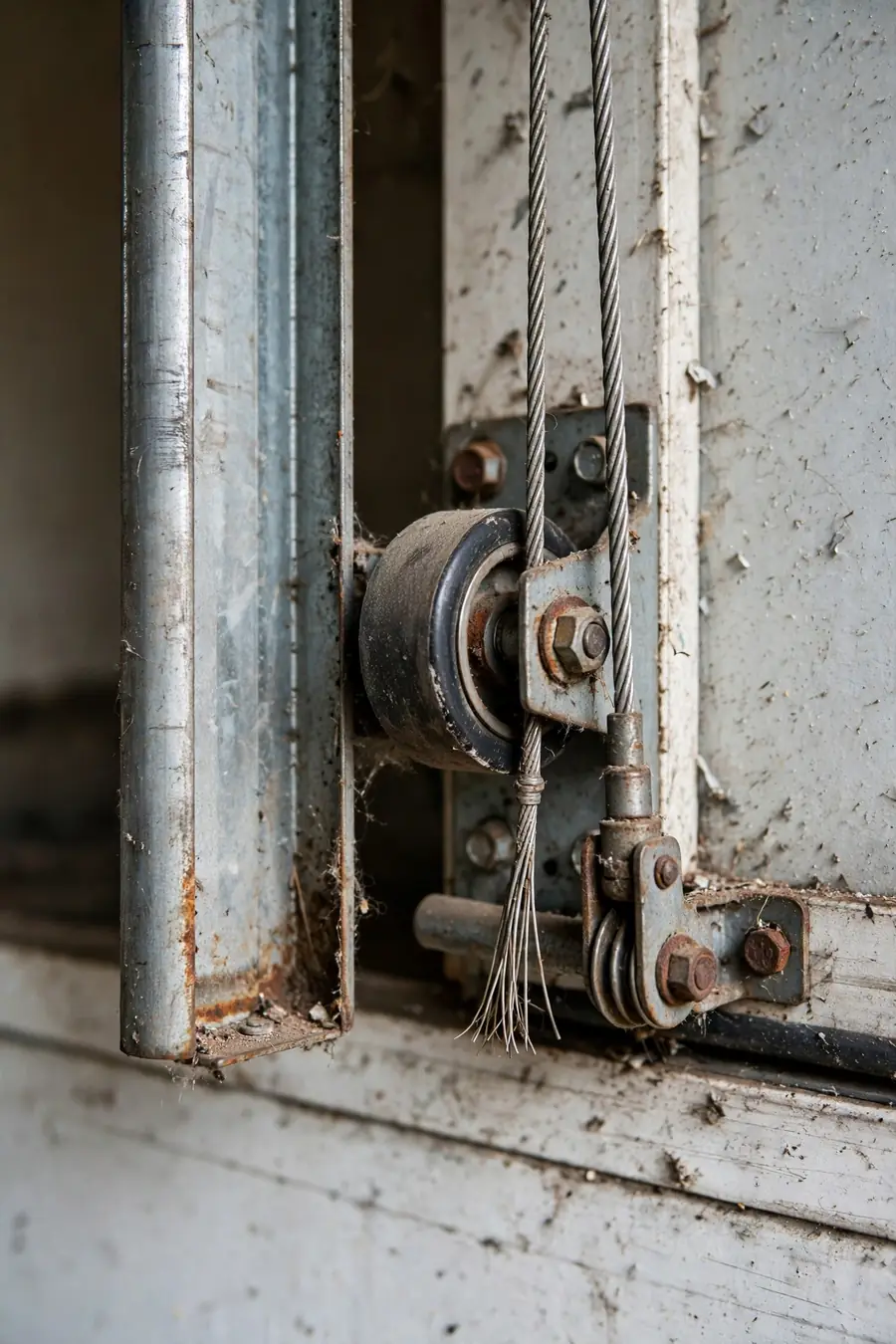
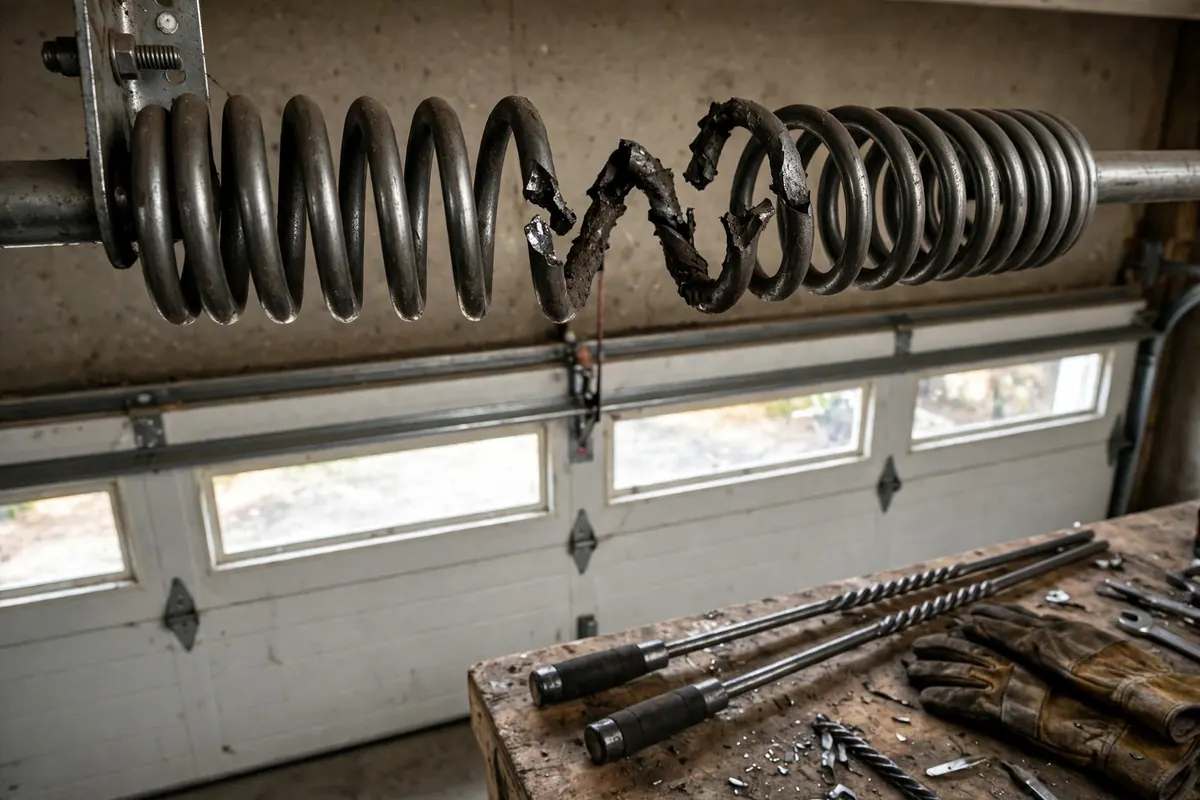
Homeowner-safe checks — do these yourself. One, look over the door and listen while it opens and closes, noting any new grinding, scraping, or jerking. Two, clear the tracks of stored items, leaves, and debris without moving or bending the tracks themselves. Three, clean the photo-eye safety sensors near the floor with a soft, dry cloth. Four, check the bottom weather seal and side stripping for gaps, tears, or daylight showing through. Five, test the remotes, keypad, and wall control, and replace batteries when the range shortens. Six, look — do not touch — at the lift cables for fraying or rust, and at the springs for rust or a gap in the coil.
Pro-only checks — book these on a tune-up visit. Seven, spring tension and balance testing, with the opener disconnected and the door held by a technician. Eight, lift cable, drum, and bottom bracket inspection and replacement. Nine, roller, hinge, and track alignment inspection and adjustment. Ten, lubrication of springs, rollers, hinges, and bearings with the correct lubricant. Eleven, opener force and travel-limit setting, so the door stops flat at the floor and opens fully without straining the motor. Twelve, safety sensor alignment and auto-reverse testing to the UL 325 standard. That is the full 12-point list, and it is the same list used on the tune-up service page — no extra points added here, and none left out.
Homeowner-safe checks in detail: look, listen, clear, and clean
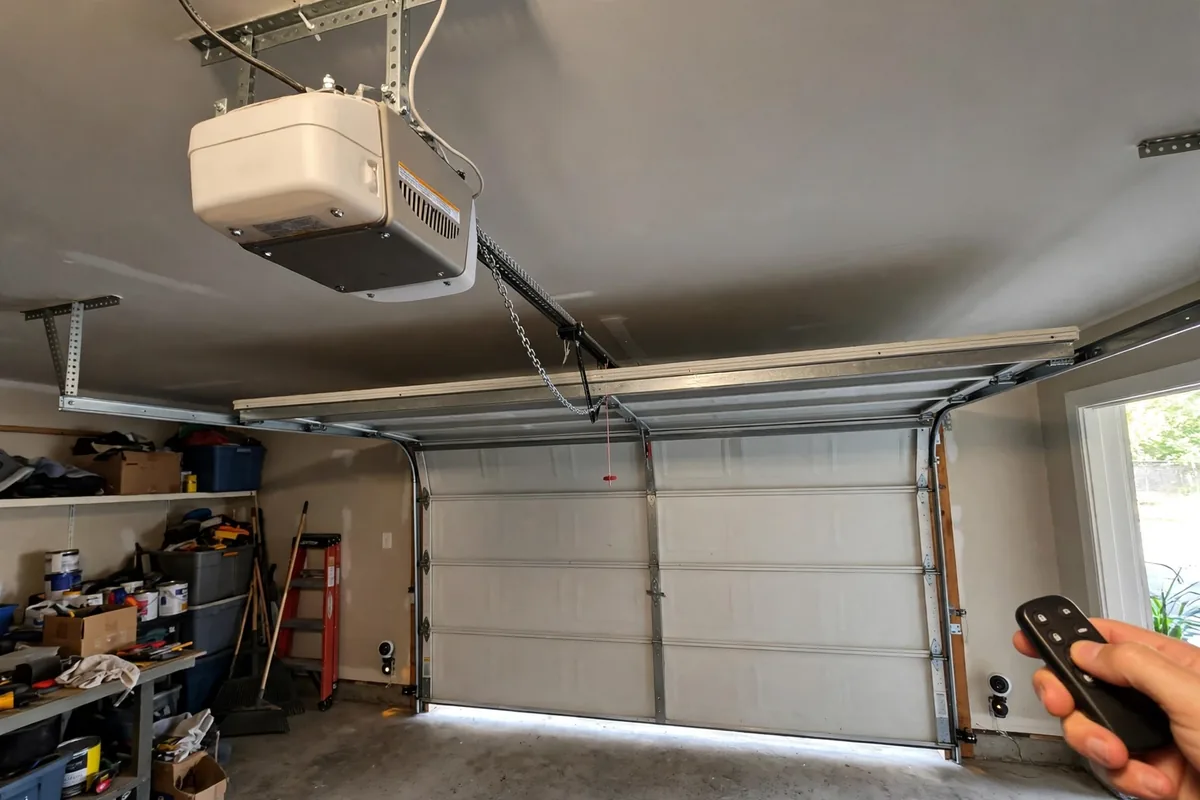
Start with look and listen. Stand clear of the door's path, run it through one full open and close, and watch for uneven movement, one side lagging, or the door stopping at the same point. Listen for grinding, scraping, squeaking, or rattling that was not there before. A new noise is information, not a diagnosis — write down when it happens, up or down, and whether it repeats at the same spot, because that helps a technician find the worn part.
Next, clear and clean. Move anything leaning against the tracks or blocking the sensors, and sweep leaves and grit out of the track area — without pulling, bending, or loosening any track bracket. Wipe the photo-eye lenses gently; a dirty lens is one of the most common reasons a door reverses or refuses to close, and it takes seconds to fix. Check the bottom seal by looking for gaps or tears, and run a hand near the closed door on a windy day to feel for draughts. Test each remote and the keypad from their usual spots, and change batteries before they fail completely. If any check finds fraying, rust, a gap in a spring coil, or a door that has gone crooked, stop there and call — looking is safe, touching those parts is not.
Spotted one of these problems? Call and describe what your door is doing — that description helps us bring the right parts.
Call (833) 563-1552Pro-only work: springs, cables, tracks, and balance — and why
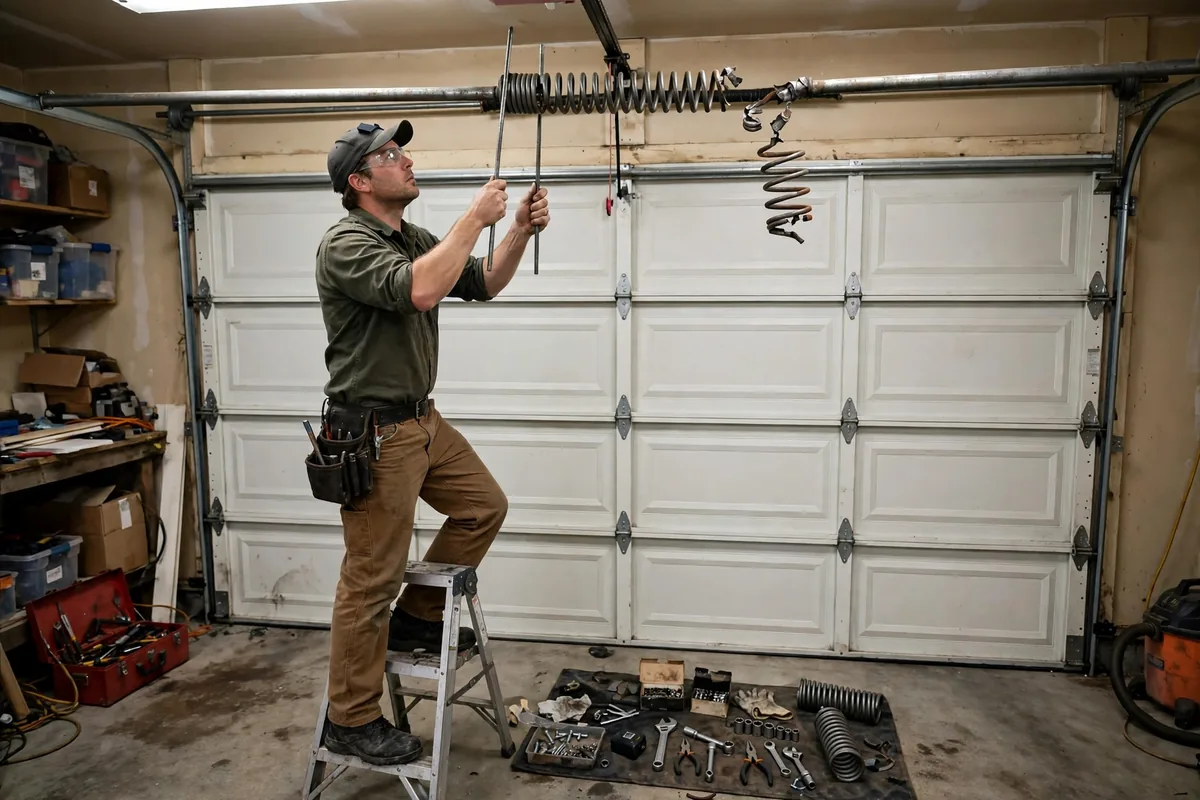
Springs store enough energy to lift a door weighing hundreds of pounds. Adjusting, replacing, or even loosening a torsion or extension spring without the right winding bars and training can release that energy suddenly, and it is one of the most common causes of serious garage door injuries. Lift cables are under the same tension, and a frayed cable can snap while it is being handled. Track realignment looks simple but changes the path the whole door follows: a track set even slightly out of true can bind the rollers, bend a panel, or let the door jump the track.
Balance and opener force settings are linked to the same risk. A door that is out of balance strains the opener motor, and raising the opener force to overcome that strain masks the problem while making the safety reverse less effective. That is why a tune-up visit tests balance with the opener disconnected, sets force and travel limits to the door's actual weight and travel, and tests the auto-reverse properly — work that needs the door held, measured, and adjusted by someone trained to do it. If a guide tells you to adjust spring tension yourself, close it: that job belongs on the pro-only list, and so does anything that asks you to stand under a disconnected door. See spring replacement, cable repair, and off-track repair for how those jobs are done safely.
How often to service a garage door in Massachusetts
General guidance used across the trade is once a year for a typical residential door, and twice a year for a door in constant use, such as a commercial door or a household door cycled many times a day. Annual servicing is enough for most Massachusetts homes because the main wear items — rollers, hinges, cables, and springs — wear with cycles, not with calendar time alone. A door opened twice a day wears far more slowly than a door opened twenty times a day, so count your use, not just the years.
Book the annual visit before the door gives you a reason to call, and use the 12-point list above as the agenda: ask what was checked, what is wearing, and what to budget for next. A tune-up that reports a spring near the end of its general typical life — around 10,000 cycles, roughly 7 to 10 years as reported by competitors, not Bay State data — gives you time to plan, rather than a breakdown to react to. If the door develops a new noise, a heavy feel, or a reversing problem between visits, do not wait for the annual date: those are the warning signs covered in our signs-your-door-needs-repair guide.
Before winter: the Massachusetts seasonal checks
Winter preparation for a Massachusetts garage door is mostly about sealing and sensors, not about special winter parts. Check the bottom weather seal and side stripping before cold weather sets in, because a torn seal lets cold air, leaves, and meltwater into the garage and can freeze the door to the floor overnight. Clean the photo-eye sensors, which fog and collect road salt grime in winter, and clear the track area of grit carried in on tyres. Listen for stiffness on the first cold mornings: lubricant thickens in the cold, and a door that was already noisy in autumn will usually get louder, which is a good prompt to book a tune-up rather than to spray anything yourself.
Do not pour hot water on a frozen door seal, and do not force a door that is frozen shut — forcing it can snap a cable or strip the opener gears. Let the garage warm, clear ice from around the seal gently, and check that the seal itself is not torn before running the door again. If the door still will not move freely, call (833) 563-1552, Monday to Saturday, 9:00 AM to 6:00 PM, and describe what is stuck. For the opener side of winter care — remotes, keypads, and sensor alignment — see opener repair and the frequently asked questions page.
Common maintenance mistakes to avoid
The most common mistake is over-lubricating. Spraying grease on the tracks themselves, rather than on rollers, hinges, and bearings, attracts grit and makes the door run worse, not better — tracks should be kept clean, not greased. Another common mistake is tightening everything in sight: track brackets and hinge bolts have a correct position, and over-tightening a bracket can pull a track out of alignment. A third mistake is testing the safety reverse by standing in the doorway, which is both unnecessary and unsafe; the sensor test belongs to a technician, and the homeowner test is simply to keep the sensors clean and the doorway clear.
A quieter mistake is ignoring a small change because the door still works. A door that is slightly slower, slightly noisier, or slightly heavier than it was last month is wearing somewhere, and that wear is cheapest to fix while it is still small. Keep a short note after each homeowner check — the date, anything new you noticed, and anything you cleaned or cleared — and hand that note to the technician at the next tune-up. A one-page history of noises, reversals, and battery changes tells a technician more in a minute than a general “it seems fine” ever will.
Garage door repair work
Ready for help? Call (833) 563-1552, Monday to Saturday, 9:00 AM to 6:00 PM, and describe the problem.
Call (833) 563-1552